Bundibugyo Ebola: Two New Vaccine Candidates Recommended for Clinical Trials in the DRC

Author: actualite.cdPublished on: November 8, 2026Country: Democratic Republic of the Congo
HealthScience
Bundibugyo Ebola: Two New Vaccine Candidates Recommended for Clinical Trials in the DRC
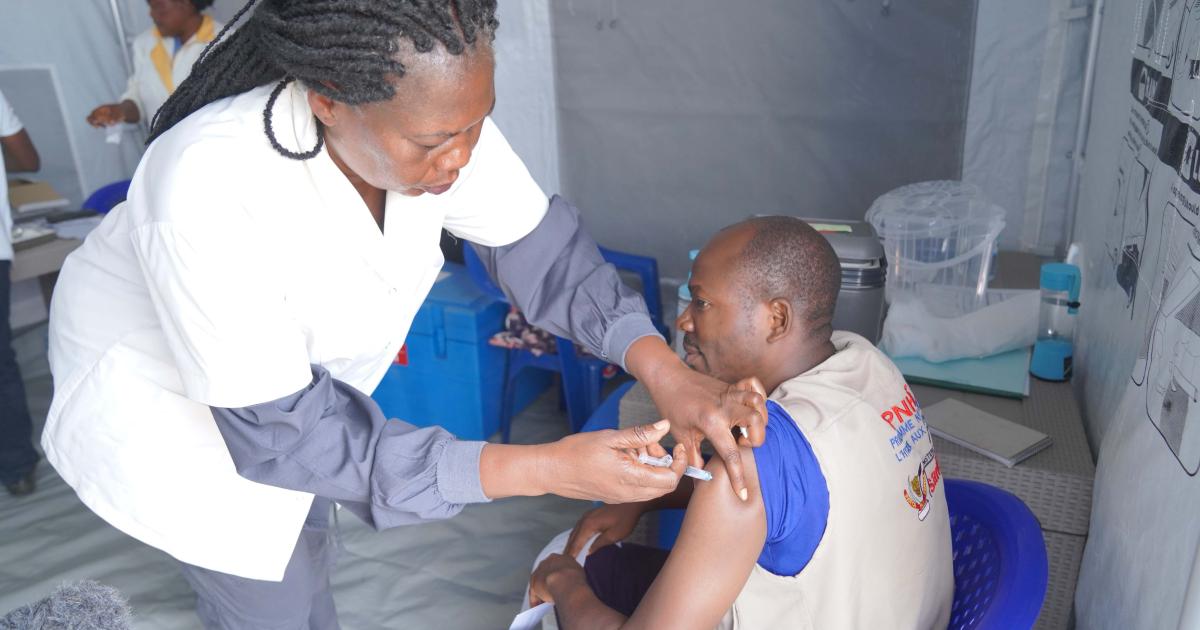
The WHO has recommended adding the ChAdOx1 candidate, developed by the University of Oxford and the Serum Institute of India, and Moderna’s mRNA-1469 to the Tumaini clinical trial in the Democratic Republic of the Congo. Designed to protect against the Bundibugyo virus responsible for the current outbreak, the vaccines can enter trials once national approvals are obtained. The trial is led by the DRC’s National Institute of Biomedical Research with Congolese and international partners, and tests multiple vaccine candidates under a shared protocol. WHO Director-General Tedros Adhanom Ghebreyesus praised the scientific collaboration and said vaccines could help control the outbreak but would not end it on their own.

Stay informed with NewsBoulevard

Get the latest news summaries delivered to your inbox

Related News

Ebola in the DRC: “The best remedy is peace” — WHO chief warns of the impact of violence in the east after attacks on health facilities
HealthWorld / InternationalDemocratic Republic of the Congo
actualite.cd•

Ebola in the DRC: “The best remedy is peace” — WHO chief warns of the impact of violence in the east after attacks on health facilities

WHO Director-General Dr. Tedros Adhanom Ghebreyesus warned that violence in eastern DR Congo is hampering the response to the Ebola outbreak, which has been ongoing since May 15. An Ebola treatment centre in Beni was attacked on November 6, with police stopping an attempted arson; in the Mabalako health zone, attacks on November 5 and 6 set three health facilities on fire and killed patients. The violence drove residents, including people being monitored after contact with Ebola cases, to flee, and response teams suspended planned activities on November 6 because of insecurity. Tedros said insecurity disrupts surveillance, care and contact follow-up while increasing the risk of the virus spreading.

Read More

Stay Updated with NewsBoulevard

Subscribe to our newsletter for the latest news summaries delivered to your inbox