Benin: EIB considers CFAF 16.4 billion to support businesses and investment

Author: Gildas AmoussouPublished on: October 27, 2026Country: Benin
Business & Economy
Benin: EIB considers CFAF 16.4 billion to support businesses and investment

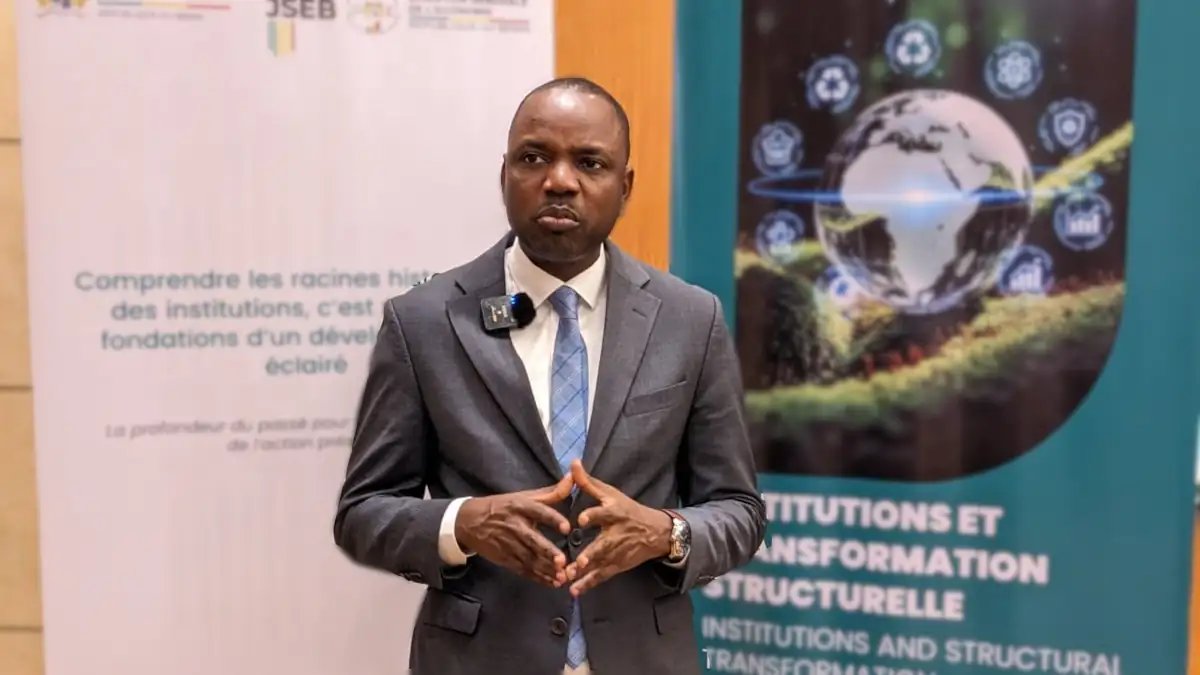
The European Investment Bank is considering a €25 million loan, equivalent to about CFAF 16.4 billion, to increase Benin’s stake in ATIDI. The contribution would help the country make greater use of the agency’s insurance products, benefiting micro, small and medium-sized businesses as well as foreign investors. The project aligns with the EU’s Global Gateway priorities in Benin and is expected to be covered by the NDICI–Global Europe instrument and the European Fund for Sustainable Development Plus.

Stay informed with NewsBoulevard

Get the latest news summaries delivered to your inbox
Related News

Federal Government and NLC agree on ₦70,000 transport support and 19 months of health workers’ arrears
Business & EconomyPoliticsNigeria
Victor Ahiuma-Young•

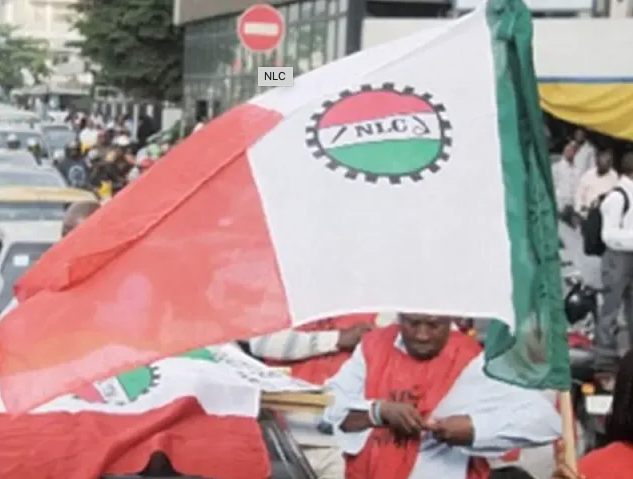
Federal Government and NLC agree on ₦70,000 transport support and 19 months of health workers’ arrears

Nigeria’s Federal Government and the Nigeria Labour Congress (NLC) agreed to provide ₦70,000 in monthly transport support for six months from November 2026 and to pay health workers’ 19 months of outstanding allowances within three months from December. Arrears for the peculiar allowance, approved with effect from 1 May 2026, are expected to be paid in three equal monthly instalments beginning in November. A minimum-wage negotiation committee will begin work immediately, though the parties remain divided over the new wage’s effective date; the tax-relief issue will be referred to the National Executive Council. They will reconvene in one month to review implementation.

Read More
Chris Mason: Budget needs to go some way towards delivering PM's promises
PoliticsBusiness & EconomyUnited Kingdom
Chris Mason•

Chris Mason: Budget needs to go some way towards delivering PM's promises

The UK government wants to pursue ambitious political change while facing very high public debt, a tax burden at a generational peak, rising energy bills and higher-than-expected inflation. Helen Miller, director of the Institute for Fiscal Studies, says the government faces numerous constraints, worsened in part by the war in the Middle East. Ministers are expected to target cost-of-living and energy-bill support at the most vulnerable, potentially funded by a levy or surcharge on banks. The Budget is also expected to announce more defence spending, but has yet to explain how the government will fund its goal of spending 3% of national income on security.

Read More

Stay Updated with NewsBoulevard

Subscribe to our newsletter for the latest news summaries delivered to your inbox