Black Friday shoppers warned about AI-powered fake websites and delivery scams

Author: Zenande MpamePublished on: November 26, 2026Country: South Africa
TechnologyCrime & LawSociety & Lifestyle

Black Friday shoppers warned about AI-powered fake websites and delivery scams

As Black Friday approaches, South African shoppers are urged to verify websites, promotions and delivery notifications to protect their personal and banking information. The Southern African Fraud Prevention Service warns about fake offers, fraudulent online stores and bogus delivery messages. Bonolo Sebolai, GoTyme Bank’s head of fraud prevention, says criminals are using AI to create websites and promotional material that closely imitate legitimate businesses. Consumers should avoid unexpected links and check deliveries and offers through retailers’ and couriers’ official websites or apps.

Read original article

iol.co.za

Stay informed with NewsBoulevard

Get the latest news summaries delivered to your inbox

Related News

Cyberattack Against FIFA: What We Know About the Operation and the Stolen Data
TechnologyCrime & LawSwitzerland
Charly Hessoun•

Cyberattack Against FIFA: What We Know About the Operation and the Stolen Data

FIFA confirmed on November 26, 2026, that a criminal cyberattack gave unauthorized access to a limited set of personal and commercial information, but did not disclose how many people were affected or when the intrusion was detected. The newly emerged Handsome Boy Hacking Club (HBHC) claims it stole and published a 12.2 GB archive after listing FIFA on its leak site. Researchers counted 2,460 files, mostly presentations and training videos; passports and visas account for 69 MB, and the archive also includes travel records, financial information, and legal documents. FIFA says it is cooperating with authorities and has not confirmed HBHC’s claim that it breached the organization’s Microsoft environment.

Read More
Benin: Two Japanese Drones Deployed to Fight Mosquitoes and Malaria
HealthTechnologyBenin
Armel TOGNON•

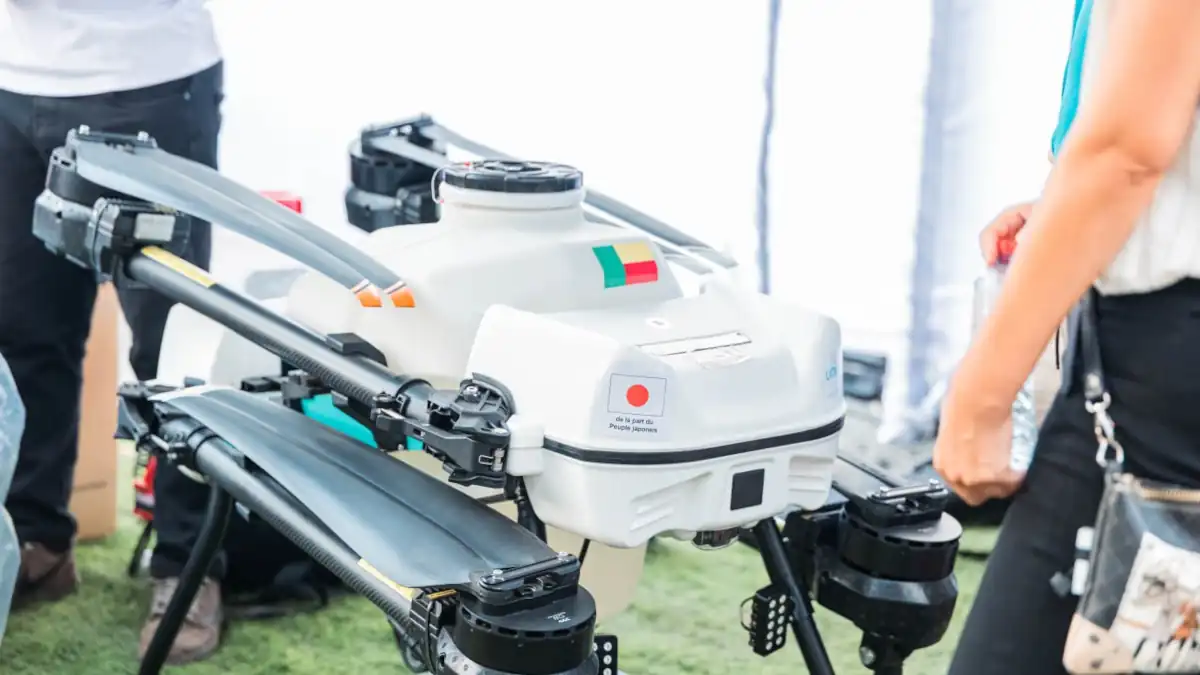
Benin: Two Japanese Drones Deployed to Fight Mosquitoes and Malaria

On November 26, 2026, in Cotonou, Benin’s Ministry of Health received two TSUBASA CT110 spraying drones, twelve Maruyama MD300 backpack sprayers and other equipment to combat malaria-carrying mosquitoes. The Japan-funded project, worth $2.3 million, receives technical support from SORA Technology and UNICEF and combines digital tools, larval-site treatment and community engagement. Launched on June 30, the pilot covers ten districts and is scheduled to run through February 2027. Japanese Ambassador Hideki Uezono and UNICEF representative Ousmane Niang highlighted cooperation with local actors and early results, including a significant decline in larval density in targeted areas.

Read More

Stay Updated with NewsBoulevard

Subscribe to our newsletter for the latest news summaries delivered to your inbox