COP31 in Antalya: Key Takeaways from Côte d’Ivoire’s Participation

Author: Othniel KOUASSIPublished on: November 25, 2026Country: Côte d’Ivoire
Environment & ClimateWorld / International
COP31 in Antalya: Key Takeaways from Côte d’Ivoire’s Participation

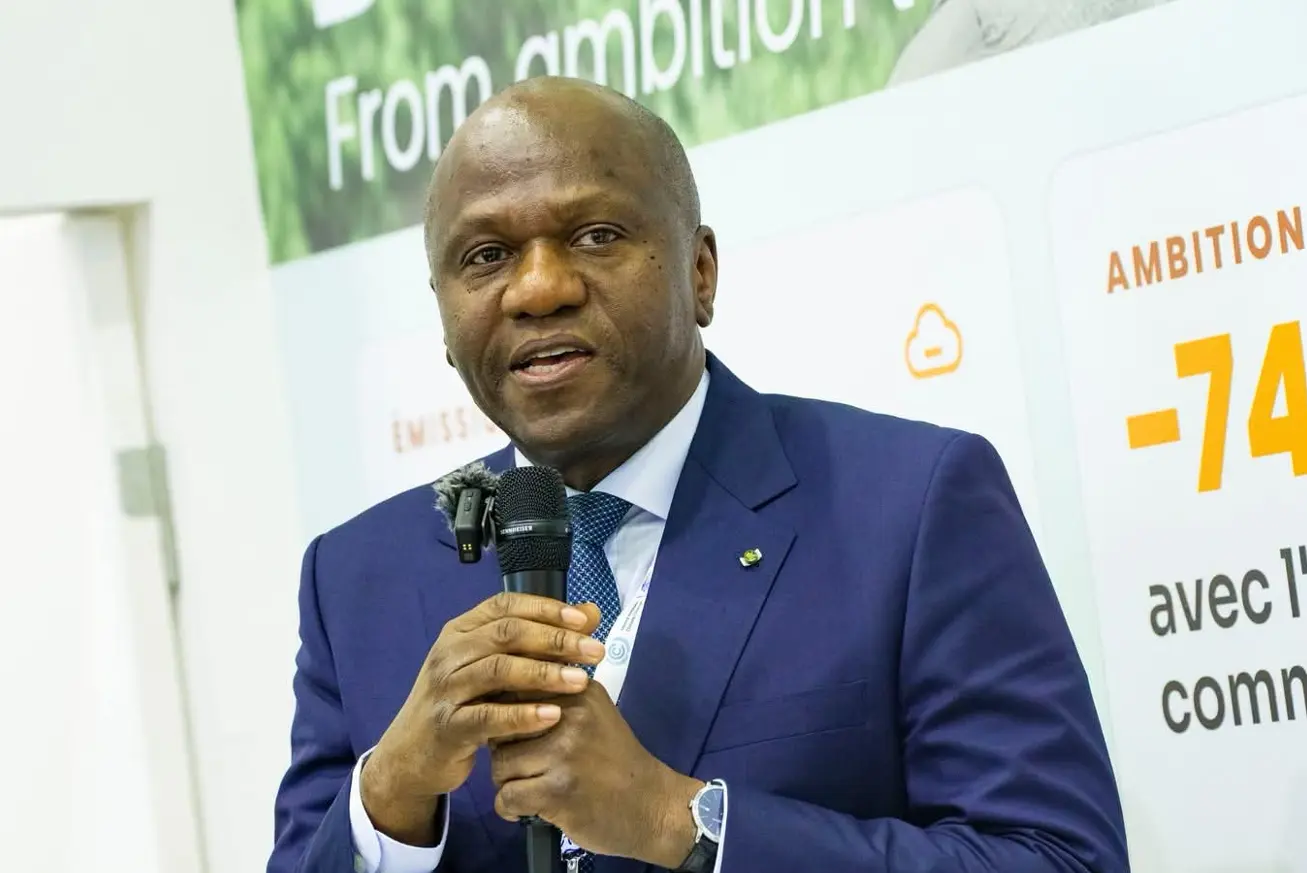
Côte d’Ivoire took part in COP31, held in Antalya from November 9 to 20, 2026, with a delegation of more than 300 people. Environment and Ecological Transition Minister Abou Bamba said the Ivorian pavilion hosted more than 50 events and the country signed six agreements. These included a deal with Sweden to purchase carbon credits, an agreement with Guinea to share Côte d’Ivoire’s climate expertise, and a carbon-credit partnership with Djibouti. Abidjan also aims to promote the African Climate Pact and become a regional climate-finance hub.

Read original article

linfodrome.com

Stay informed with NewsBoulevard

Get the latest news summaries delivered to your inbox

Related News

Côte d’Ivoire: Government announces two solar projects amid power cuts
Business & EconomyEnvironment & ClimateCôte d’Ivoire
Francis Noude•

Côte d’Ivoire: Government announces two solar projects amid power cuts

On November 25, 2026, Côte d’Ivoire’s government announced two solar projects totaling 102 MWp: expanding the Bengué-Bougou plant from 25 to 50 MWp and building a 52 MWp plant in Tengréla. The Bengué-Bougou project, led by UAE-based AMEA Power, was launched on October 24 by Energy Minister Mamadou Sangafowa-Coulibaly, but no schedule or financing details were given for either project. Abidjan and other areas have faced frequent power cuts since January; CI-Energies says the problem stems from an overloaded grid rather than a generation shortfall. The state has also announced an emergency plan worth 700 billion CFA francs and aims for renewables to make up 45% of the electricity mix by 2030.

Read More
NewsBoulevard
Business & EconomyTechnologyCameroon
lebledparle.com•

Electricity: Cameroon eyes civilian nuclear power to end power cuts

At the cabinet meeting on November 25, 2026, Water and Energy Minister Gaston Eloundou Essomba outlined Cameroon’s reliance on hydropower, which accounts for 66% of the electricity mix, compared with 31% from thermal plants and 3% from solar. Reservoirs were 68% full on November 20, down from 74% at the same time in 2025, while electricity demand had risen by about 7%, prompting power cuts across the seven regions supplied by the Southern Interconnected Network. The government is considering a civilian nuclear programme, with a feasibility study to assess investment costs, economic viability, nuclear safety and skilled-workforce needs. Prime Minister Joseph Dion Ngute requested an indicative timetable within three months after consultation with the IAEA, but Eloundou Essomba said a conventional nuclear programme would take about 15 years to complete.

Read More

Stay Updated with NewsBoulevard

Subscribe to our newsletter for the latest news summaries delivered to your inbox