Defence: Five European Countries Meet in Paris to Send a Message to Russia

Author: Cédric AmoussouPublished on: October 27, 2026Country: France
World / International

Defence: Five European Countries Meet in Paris to Send a Message to Russia

The defence ministers of France, Germany, Italy, Poland and the United Kingdom met in Paris on 26 October 2026. In a joint declaration, they called Russia the gravest and most enduring threat to Euro-Atlantic security and urged Europeans to take greater responsibility for their defence while emphasizing the importance of the US partnership in NATO. They reaffirmed political, military and financial support for Ukraine and called for a lasting peace backed by strong security guarantees. The EU’s 27 member states spent €418 billion on defence in 2025, with spending estimated at €454 billion in 2026.

Stay informed with NewsBoulevard

Get the latest news summaries delivered to your inbox
Related News

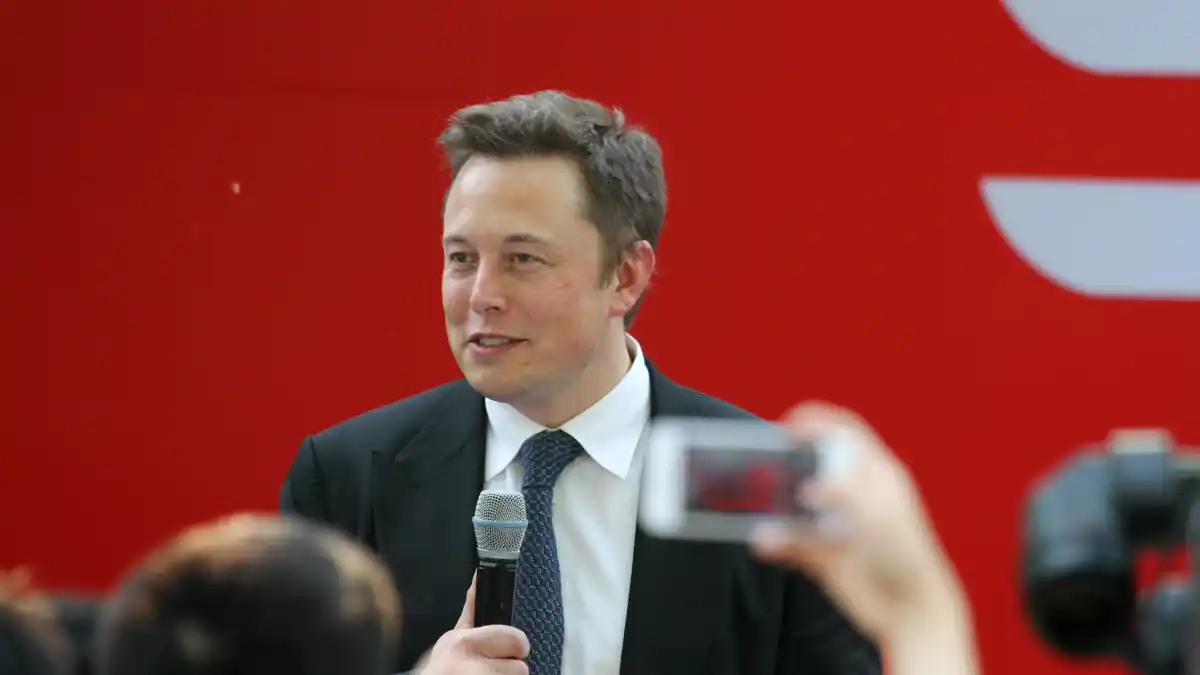
Ukraine: Elon Musk fears Russian retaliation against his satellites
World / InternationalTechnologyUkraine
Cédric Amoussou•

Ukraine: Elon Musk fears Russian retaliation against his satellites

On October 25, 2026, Elon Musk warned on X that manifestly offensive use of Starlink in the war in Ukraine could expose its satellites to Russian retaliation. He cited the risk of the network’s destruction and a vast field of space debris, arguing that Starlink should retain a civilian role while still supporting military infrastructure. Starlink provides communications to Ukrainian forces and civilians, particularly where terrestrial infrastructure has been damaged. In 2025, two intelligence services from NATO countries suspected Moscow of developing an antisatellite weapon, but there is no evidence that it is operational or that an attack is imminent.

Read More
Lebanon’s lost olive season: harvesting olives under drones and warplanes
World / InternationalBusiness & EconomyLebanon
aljazeera.com•

Lebanon’s lost olive season: harvesting olives under drones and warplanes

In Majdel Selm in southern Lebanon, Khaled Farhat tends about 200 olive trees, but reaching his grove, roughly a 20-minute drive from the Israeli border, has become more difficult amid Israel’s occupation. He must request access through his municipality, which forwards the request to the Lebanese Army; the army coordinates permits through a mechanism established under the June tripartite framework agreement between the United States, Israel and Lebanon. Ramy Zurayk, a professor at the American University of Beirut, says damage to farms and infrastructure and restrictions on movement are intended to make the area “sterile.” Volunteers from Akkar also joined an olive-picking initiative in Jebchit in solidarity with farmers whose crops and livelihoods have been affected by the war.

Read More

Stay Updated with NewsBoulevard

Subscribe to our newsletter for the latest news summaries delivered to your inbox