Ebola in Ituri: ECC deploys 20 medical structures but criticizes taxation of humanitarian aid

Author: radiookapi.netPublished on: June 19, 2026Country: Democratic Republic of the Congo
Health
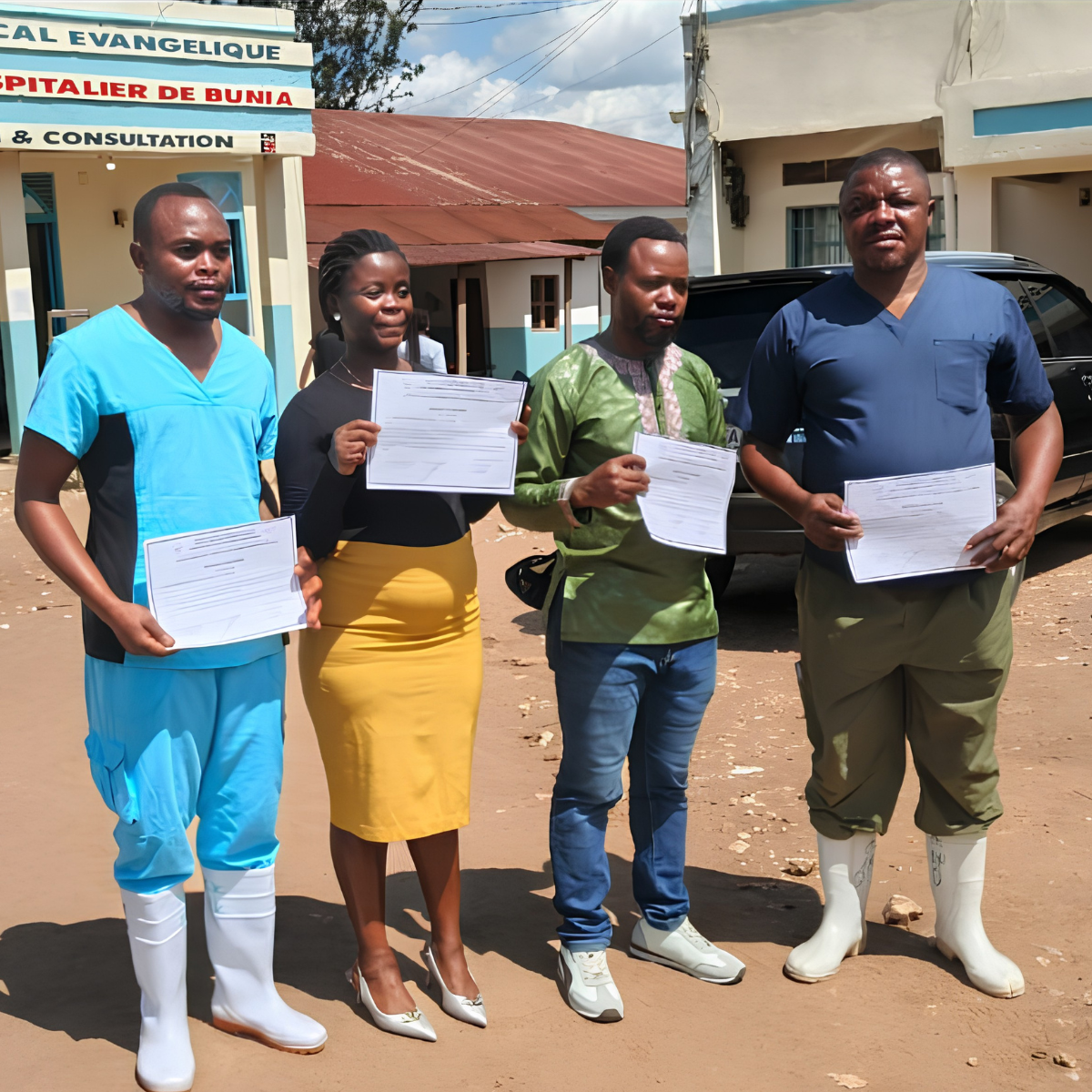
Ebola in Ituri: ECC deploys 20 medical structures but criticizes taxation of humanitarian aid

In Ituri, the Church of Christ in Congo (ECC) has deployed about twenty medical facilities, including four treatment centers, to fight the Ebola epidemic. The ECC criticizes the non-respect of agreements on tax exemptions for response supplies, hindering interventions. Leaders also regret the lack of training for pastors and community leaders. MAF airline transports staff and equipment to affected areas.

Read original article

radiookapi.net

Stay informed with NewsBoulevard

Get the latest news summaries delivered to your inbox

Related News

150 health workers trained to roll out new treatment for sleeping sickness in Kwilu and Mai-Ndombe
HealthDemocratic Republic of the Congo
Jean-Claude Ntangamu•

150 health workers trained to roll out new treatment for sleeping sickness in Kwilu and Mai-Ndombe

One hundred and fifty health workers from Kwilu and Mai-Ndombe completed three days of training on Acoziborole, a new treatment for human African trypanosomiasis, or sleeping sickness. The session was organized by the Bandundu-Nord provincial coordination team for the fight against sleeping sickness, with support from DNDi, and took place in Bandundu, Bagata and Mushie, bringing together staff from 50 health facilities. Participants learned how to screen for and diagnose the disease, identify eligible patients, administer the treatment and monitor possible adverse effects. The programme also includes supervision at 32 health facilities and strengthened pharmacovigilance.

Read More
Human Capital: Why Africa Is Falling Behind and How to Get Back on Track
Business & EconomyHealthNigeria
Tognissè Dahandé•

Human Capital: Why Africa Is Falling Behind and How to Get Back on Track

A World Bank report led by Alaka Holla, Norbert Schady and Joana Silva estimates that human capital accounts for about two-thirds of the per-capita income gap between rich and poor countries. Over 15 years, health, learning or workplace training declined in two-thirds of low- and middle-income countries; in sub-Saharan Africa, school results fell, and adults born in 1996 are on average three centimeters shorter than those born in 1966. The report urges governments to focus on homes, neighborhoods and workplaces, stressing early childhood stimulation, books at home and girls’ education. In northern Nigeria, a program combining cash and asset transfers with health advice for mothers reduced stunting by six percentage points two years after it ended.

Read More

Stay Updated with NewsBoulevard

Subscribe to our newsletter for the latest news summaries delivered to your inbox