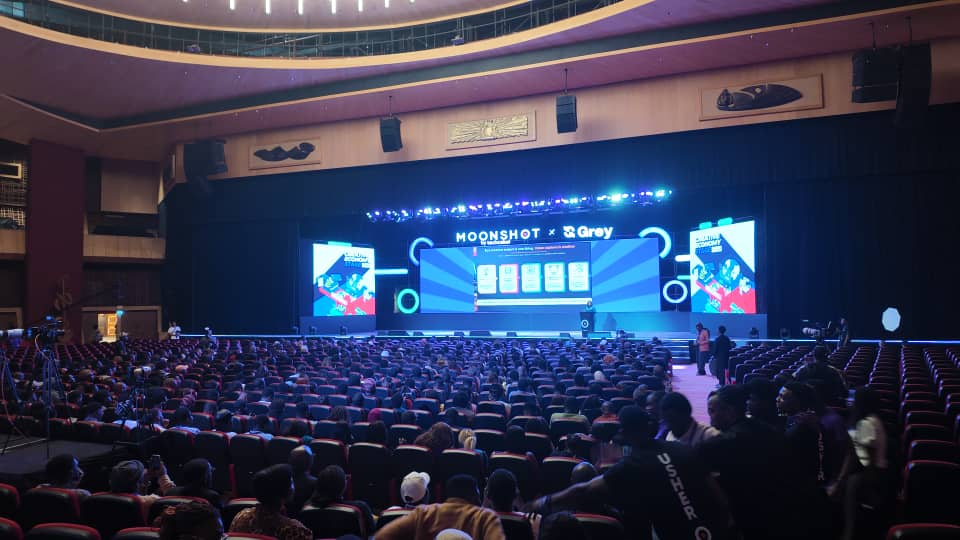
Financing lessons from Talanta Sports City

Author: Jaindi KiseroPublished on: October 29, 2026Country: Kenya
Business & EconomySports
Financing lessons from Talanta Sports City

Jaindi Kisero argues that Talanta Sports City is more than a state-of-the-art stadium built in Nairobi: it demonstrates a new way for capital-starved African countries to finance major national infrastructure. He contrasts this approach with familiar options such as expensive Eurobonds, heavy demands on public finances and commercial borrowing that increases external debt. He suggests that the Talanta experience could help address the infrastructure funding gap.

Stay informed with NewsBoulevard

Get the latest news summaries delivered to your inbox

Related News

Public investment budget set to rise in 2027 but remain below 40% target
Business & EconomyCameroon
Investir au Cameroun Publication•

Public investment budget set to rise in 2027 but remain below 40% target

Cameroon’s public investment budget (BIP) is expected to increase in 2027 but remain below the 40% share of the general budget targeted by the 2020-2030 National Development Strategy. At an October 27 cabinet meeting in Yaoundé chaired by Prime Minister Joseph Dion Ngute, the government announced an “appreciable increase” without specifying the planned amount or its share of the budget. A presidential circular dated October 12 sets a minimum 30% share for investment spending in 2027, but the cabinet statement does not establish whether that threshold will be met. The 2026 budget allocated CFAF 2,031.15 billion to the BIP out of a general budget of CFAF 8,683.9 billion, or 23.4%; these are budgeted credits, not actual spending.

Read More

Stay Updated with NewsBoulevard

Subscribe to our newsletter for the latest news summaries delivered to your inbox