INFAS: The Fight Against Sexual Violence Becomes Central to Training

Author: Donald GONLIPublished on: October 18, 2026Country: Côte d’Ivoire
Health
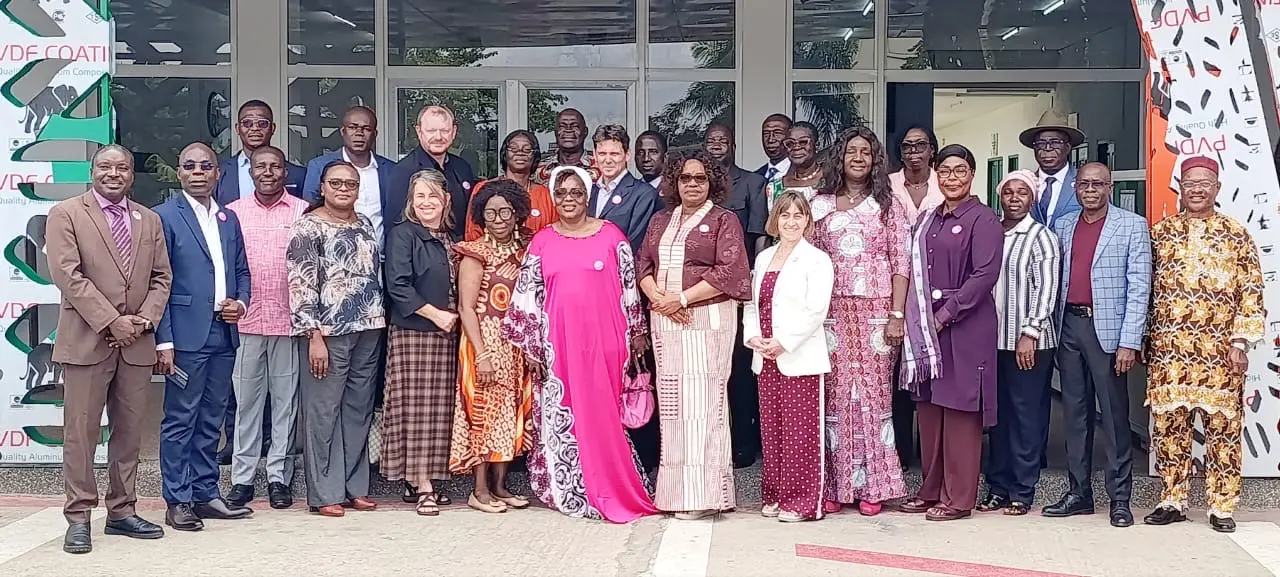
INFAS: The Fight Against Sexual Violence Becomes Central to Training

In Abidjan on October 15, INFAS and its partners reviewed the PASSAGE project, funded by Global Affairs Canada and implemented since 2021. The project helped revise nursing and midwifery training programs, introduce new teaching methods, and improve equipment for practical work and simulation. One key outcome is an institutional policy to prevent and address sexual violence, strengthening prevention, case management, and referrals for those affected. INFAS Director General Professor Méliane N’Dhatz-Ebagnitchié épouse Sanogo called for these gains to be sustained beyond the project’s funding period.

Stay informed with NewsBoulevard

Get the latest news summaries delivered to your inbox

Related News

Toluwanisings: Adebayo blasts Nigeria’s ‘dead’ healthcare system
HealthPoliticsNigeria
Luminous Jannamike•

Toluwanisings: Adebayo blasts Nigeria’s ‘dead’ healthcare system

Prince Adewole Adebayo, the Social Democratic Party’s candidate in Nigeria’s 2027 presidential election, condemned the country’s lack of emergency medical care after gospel singer Toluwanisings died. The 41-year-old, whose real name was Olayemi Bayonile Bolaji, reportedly collapsed on October 14, 2026, and was turned away by seven to eight hospitals in Ibadan amid a doctors’ strike and staff shortages. Adebayo called the death avoidable, accused political leaders of neglecting public hospitals, and said Nigerians cross into Benin Republic for treatment. The singer’s death has sparked renewed social media criticism of access to emergency healthcare in Nigeria.

Read More
WHO Explains When a Country Can Be Declared Ebola-Free
HealthKenya
kenyans.co.ke•

WHO Explains When a Country Can Be Declared Ebola-Free

As Kenya recorded its seventh Ebola case, the WHO said an outbreak can be declared over only after 42 consecutive days without a confirmed or probable case, counted from the last potential exposure to the final patient. The period is twice Ebola’s maximum incubation period and begins, among other circumstances, after recovery is confirmed by two negative PCR tests taken at least 48 hours apart, or after a safe burial if the patient dies. Authorities should intensify surveillance, monitor contacts and test suspicious community deaths during the observation period. The WHO recommends surveillance for at least six months after the outbreak ends, and continued care and testing of survivors for at least 18 months after the last confirmed patient recovers.

Read More

Stay Updated with NewsBoulevard

Subscribe to our newsletter for the latest news summaries delivered to your inbox