Iran appoints commanders to strengthen military structure

Author: Enes Abuomer,Ali MustafaPublished on: August 11, 2026Country: Iran
Politics
Iran appoints commanders to strengthen military structure

Iranian Supreme Leader Ayatollah Mojtaba Khamenei has appointed six senior commanders across the armed forces, the Islamic Revolutionary Guard Corps (IRGC), and the Basij domestic security force. Ali Abdollahi was named chief of staff of the armed forces, while Kioumars Heydari was named deputy chief of staff. Ahmad Vahidi was confirmed as commander-in-chief of the IRGC, tasked with strengthening deterrence and readiness for powerful offensive operations.

Read original article

aljazeera.com

Stay informed with NewsBoulevard

Get the latest news summaries delivered to your inbox
Related News

Wike says Tinubu’s reforms may be difficult to sustain without re-election
PoliticsNigeria
vanguardngr.com•

Wike says Tinubu’s reforms may be difficult to sustain without re-election

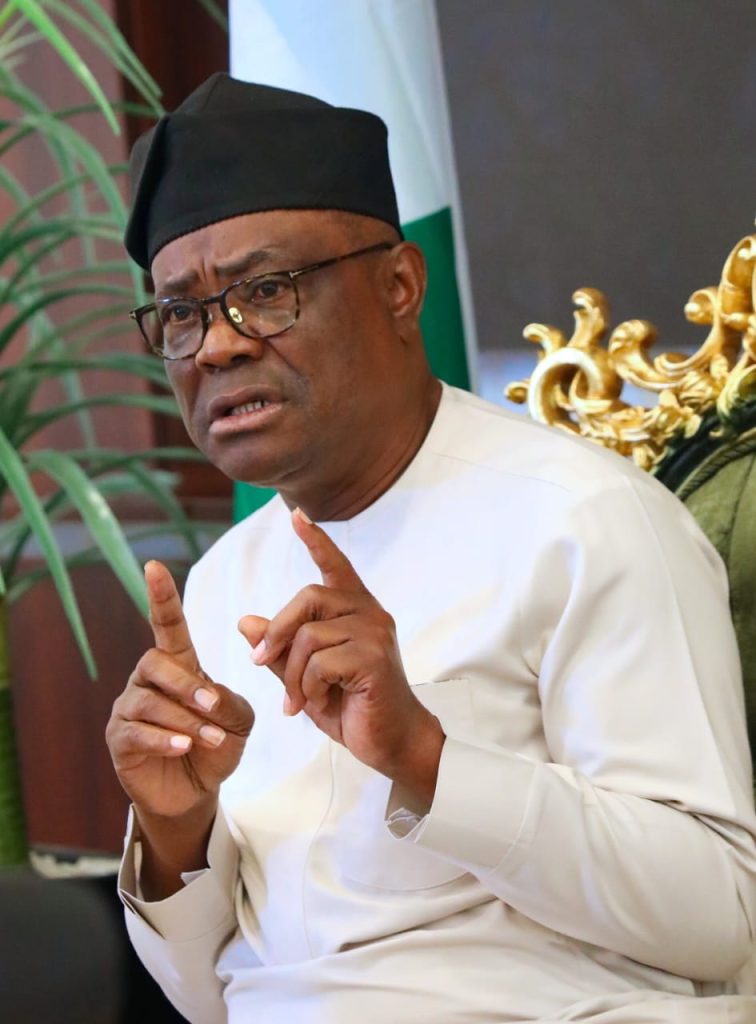
Federal Capital Territory Minister Nyesom Wike said Bola Tinubu’s economic reforms could be difficult to stabilise if the president fails to win re-election in 2027. Speaking at a Sunday church service in Rumueprikom, Rivers State, Wike called the difficulties following the removal of the petrol subsidy temporary and urged Tinubu to complete the foundations of Nigeria’s economic recovery. He also pointed to greater stability in the university system and progress in addressing pensioners’ entitlements, and called on Christians, Muslims and traditional worshippers to support Tinubu’s re-election bid. Wike announced a donation of 100 million naira to the church on behalf of the Rainbow Coalition, his friends and associates.

Read More
Cameroon’s ex-rebels caught between hiding and broken promises
World / InternationalPoliticsCameroon
Nalova Akua•

Cameroon’s ex-rebels caught between hiding and broken promises

Collins Mbah, a former separatist fighter known as Commander No Sorrow, says he killed several soldiers in Cameroon’s English-speaking Northwest region between 2016 and 2020. Now living in Douala and working as a traditional healer, he refuses to join the government’s disarmament, demobilisation and reintegration programme, saying that doing so would betray the people. The conflict began after 2016 protests against appointments and postings considered unsuitable for courts and schools in the Anglophone regions, and escalated into a separatist campaign for the independence of the Northwest and Southwest. It has killed thousands, displaced hundreds of thousands and disrupted education.

Read More

Stay Updated with NewsBoulevard

Subscribe to our newsletter for the latest news summaries delivered to your inbox