‘Like Kashmir’: How a toxic marble dump yard became a tourist spot in India

Author: Muheet Ul IslamPublished on: November 1, 2026Country: India
Environment & ClimateTravel & Tourism
‘Like Kashmir’: How a toxic marble dump yard became a tourist spot in India

In Kishangarh, Rajasthan, a 300-acre marble slurry dump has become a tourist attraction, drawing hundreds of visitors each day to its white hills and water-filled pits, known locally as the “Snow Yard.” Tourists, social media influencers and couples taking pre-wedding photographs visit the site, with some comparing its scenery to Kashmir. Nearby in Bhogiyawas, farmer Bagharam Gurjar says dust settling on his fields damages crops, while his wife suffers from a chronic cough.

Stay informed with NewsBoulevard

Get the latest news summaries delivered to your inbox

Related News

Niger Farmers with Disabilities Seek Planting Guidance After Poor Harvest
Business & EconomyEnvironment & ClimateNigeria
dailypost.ng•

Niger Farmers with Disabilities Seek Planting Guidance After Poor Harvest

After a poor 2026 farming season, farmers with disabilities in Niger State participating in the Value Chain Development Programme (VCDP) called for advice on planting times and access to early-maturing crop varieties. Mohamed Abubakar Enagi said inadequate rainfall damaged rice planted on about half a hectare, while late planting also hurt yields; the group had harvested more than nine bags of maize and eight bags of soybeans, with cowpea not yet ready. High labour costs and borrowing to keep farming are additional challenges, despite the inputs and training provided through the programme. VCDP officer Hajiya Maimuna Abubakar Ahmed said 262 farmers with disabilities were listed in the programme database, which is being updated to help more beneficiaries receive weather advisories.

Read More
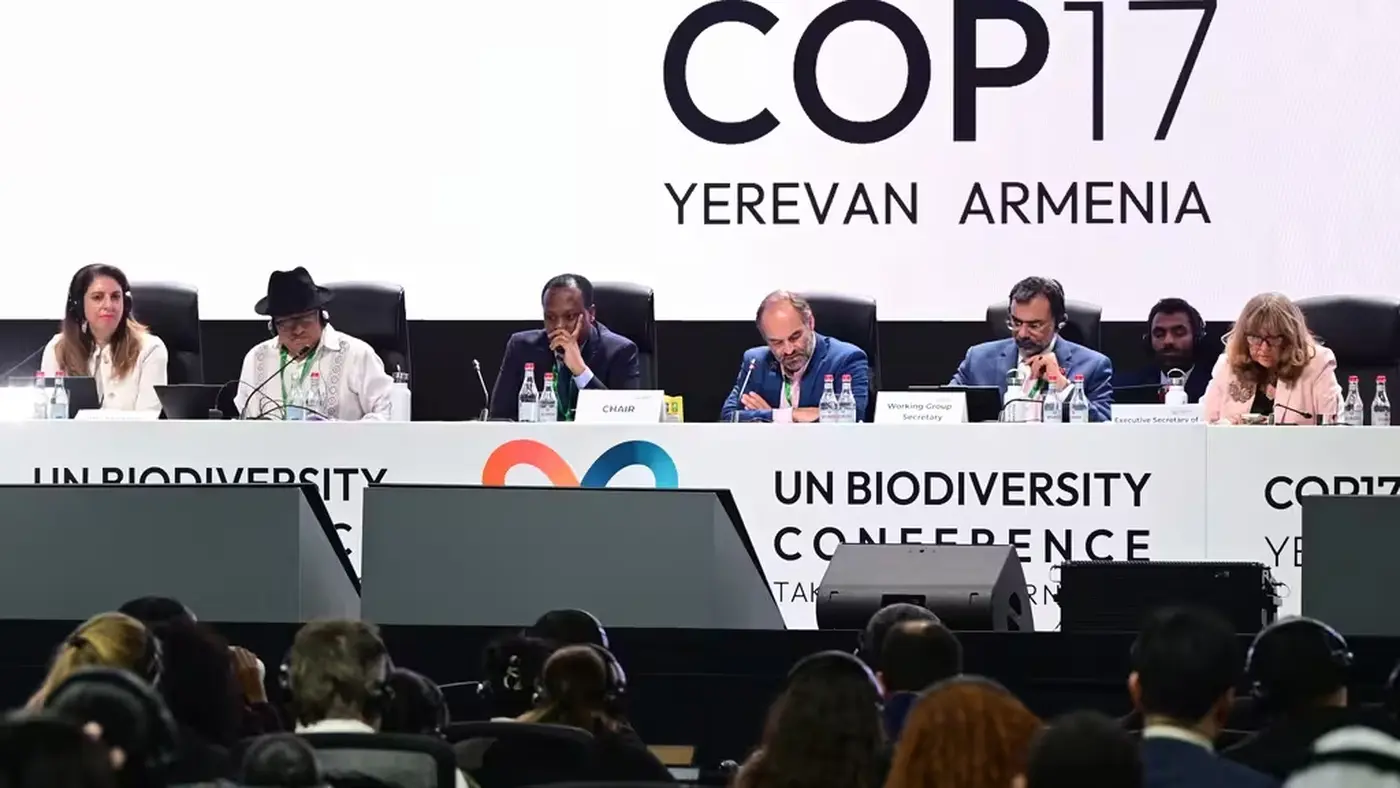
COP17 Biodiversity: Global Agreement Seeks to Revive Nature Protection, but Is Deemed Insufficient
Environment & ClimateWorld / InternationalArmenia
Elvis GOUZA•

COP17 Biodiversity: Global Agreement Seeks to Revive Nature Protection, but Is Deemed Insufficient

States meeting in Yerevan, Armenia, adopted two texts after two weeks of negotiations at COP17 on biological diversity, during the night of October 30–31, 2026. The first seeks to accelerate implementation of the Kunming-Montreal Global Biodiversity Framework, whose 2030 targets—including protecting 30% of land and sea—are largely behind schedule. The second addresses funding for those goals, but how contributions should be shared among countries remains contentious. French minister Monique Barbut and environmental NGOs welcomed the agreement as a positive signal while saying it falls short of what is needed, including on harmful environmental subsidies.

Read More

Stay Updated with NewsBoulevard

Subscribe to our newsletter for the latest news summaries delivered to your inbox