Middle East: Iran lifts its 2,000-km limit, putting Europe in its sights

Author: Paul MoutilaPublished on: November 10, 2026Country: Iran
World / International
Middle East: Iran lifts its 2,000-km limit, putting Europe in its sights

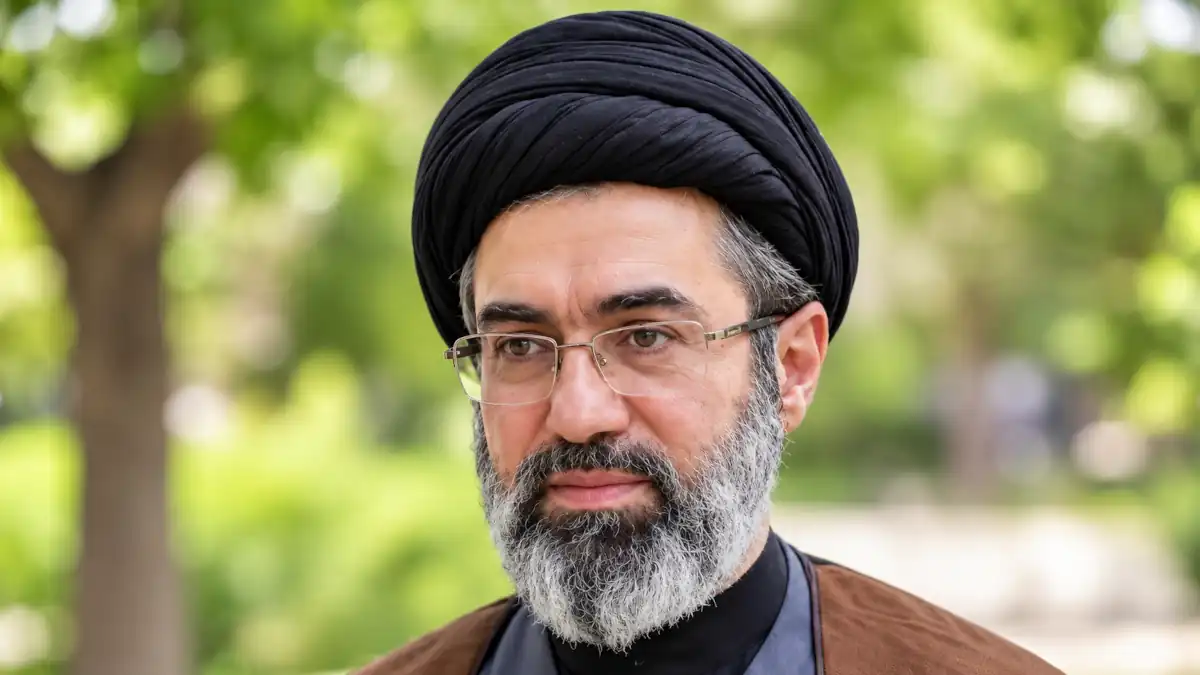
On November 9, Iranian President Massoud Pezeshkian said the Supreme Leader had ordered an end to the state of “neither war nor peace.” Tehran is lifting the range limit on its missiles and adopting an offensive doctrine, warning that any retaliation will face “no geographical restrictions.” Pezeshkian, who is known to favor a deal with Washington, nevertheless said negotiations could take place “with dignity”; the United States remains divided and has not yet made a decision.

Read original article

camer.be

Stay informed with NewsBoulevard

Get the latest news summaries delivered to your inbox

Related News

Russia: NATO Fears December Launch of Nuclear Satellite “Sputnik-S”
World / InternationalTechnologyRussia
Francis Noude•

Russia: NATO Fears December Launch of Nuclear Satellite “Sputnik-S”

Western intelligence services believe Russia could launch Sputnik-S, a satellite allegedly carrying a nuclear payload and stored near Moscow, before the end of 2026. Information shared by the BND and Bundeswehr with allies suggests a launch could take place as early as December; German Defense Minister Boris Pistorius was reportedly briefed, while his ministry declined to comment. A nuclear explosion in low Earth orbit could destroy hundreds of satellites, including those in the Starlink network, and would violate the 1967 Outer Space Treaty. Washington issued a similar warning to European allies in 2024 and links the program to Cosmos 2553, which Moscow describes as a research satellite.

Read More
Ukraine: Slovakia Refuses to Participate in the EU’s New €45 Billion Loan
World / InternationalPoliticsSlovakia
Charly Hessoun•

Ukraine: Slovakia Refuses to Participate in the EU’s New €45 Billion Loan

Slovak Prime Minister Robert Fico said his country would not participate in the €45 billion loan proposed by the European Commission on November 18, 2026, to support Ukraine. The funding is expected to cover about two-thirds of Ukraine’s projected 2027 budget deficit and requires approval from all 27 EU member states; Ursula von der Leyen says it would strengthen Kyiv’s position in potential negotiations and be repaid once Russia pays reparations. Slovakia, Czechia and Hungary, which were exempted from guarantees for a €90 billion loan adopted in December 2025, want to stay outside the new mechanism, as does Bulgaria. The dispute is tied to negotiations over the EU’s 2028–2034 budget, which Germany has threatened to block unless all states commit to helping Kyiv.

Read More

Stay Updated with NewsBoulevard

Subscribe to our newsletter for the latest news summaries delivered to your inbox