Mount Cameroon: Why the 2026–2034 Period Is on High Alert

Author: Onana NestorPublished on: November 4, 2026Country: Cameroon
ScienceSociety & Lifestyle

Mount Cameroon: Why the 2026–2034 Period Is on High Alert

Residents of Buea Town, Moli, Bokwaongo and Soppo felt tremors on October 23 that lasted ten to fifteen seconds. Some heard a deep rumble or saw kitchen utensils rattling. A Buea resident said even his bed was shaking and that fear kept him from going out for his usual 5 a.m. exercise. On November 3, Governor Okalia Bilai convened the regional leadership, while Mount Cameroon showed no signs of activity.

Stay informed with NewsBoulevard

Get the latest news summaries delivered to your inbox

Related News

Mount Cameroon: After tremors in Buea, authorities prepare for a possible eruption
Environment & ClimateScienceCameroon
lebledparle.com•

Mount Cameroon: After tremors in Buea, authorities prepare for a possible eruption

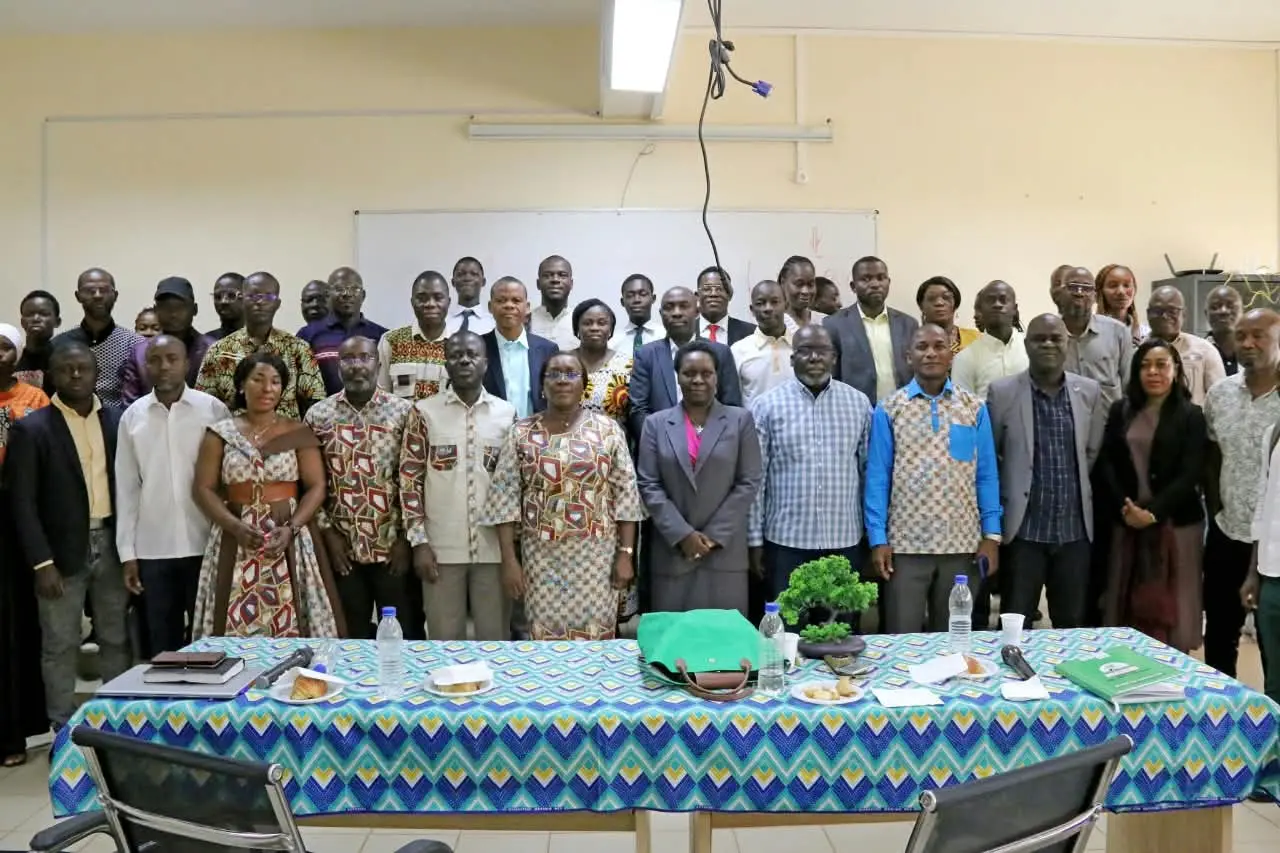
After tremors lasting 10 to 15 seconds were felt on October 23 in several Buea neighborhoods—Buea Town, Moli, Bokwaongo and Soppo—regional authorities convened administrative and municipal officials, technical services and traditional leaders. Regional scientific research delegate Dr. Mafany Teke presented observations from eleven villages and said there was currently no evidence to warrant panic. Participants discussed identifying refuge areas, evacuation routes and ways to inform residents living near the volcano. Governor Bernard Okalia Bilai asked traditional leaders to identify safe locations and raise awareness of emergency measures as monitoring of the active volcano continues.

Read More
Cement: Tested at Mira, Ombé basalt could reduce imported clinker needs (CFAF 97.3 billion in 2025)
Business & EconomyScienceCameroon
Investir au Cameroun Publication•

Cement: Tested at Mira, Ombé basalt could reduce imported clinker needs (CFAF 97.3 billion in 2025)

An experimental cement formulation tested at Mira Cement’s laboratory in Douala uses basalt from Ombé in the South-West Region as a substitute material, cutting clinker use by 50 kg per tonne compared with the industrial reference cement. The findings appeared in a study published on September 25, 2026, in Discover Civil Engineering by a research team led by Franck Wilfried Nguimatsia Dongmo. The research offers a potential way to reduce cement makers’ clinker needs, but does not yet demonstrate industrial-scale savings or an actual decline in imports. Provisional statistics from Cameroon’s National Institute of Statistics show the country imported 3.107 million tonnes of clinker in 2025, worth CFAF 97.317 billion, up 20.5% in volume and 14.7% in value year on year.

Read More

Stay Updated with NewsBoulevard

Subscribe to our newsletter for the latest news summaries delivered to your inbox