Populism in Senegal: The Lazy Insult, by Souleymane Gueye

Author: Souleymane GueyePublished on: March 17, 2026Country: Senegal
Politics

Populism in Senegal: The Lazy Insult, by Souleymane Gueye

During Ramadan, Souleymane Gueye observed debates where the term 'populism' was frequently used by opponents to criticize the ruling power. He emphasizes that this word is often used as an insult, reducing populism to a caricature and disqualifying those who identify with it. Gueye also discusses intellectual interpretations of populism, noting that some view it as a political moment rather than an ideology, which reflects a lack of theoretical understanding.

Read original article

senenews.com

Stay informed with NewsBoulevard

Get the latest news summaries delivered to your inbox
Related News

Wike says Tinubu’s reforms may be difficult to sustain without re-election
PoliticsNigeria
vanguardngr.com•

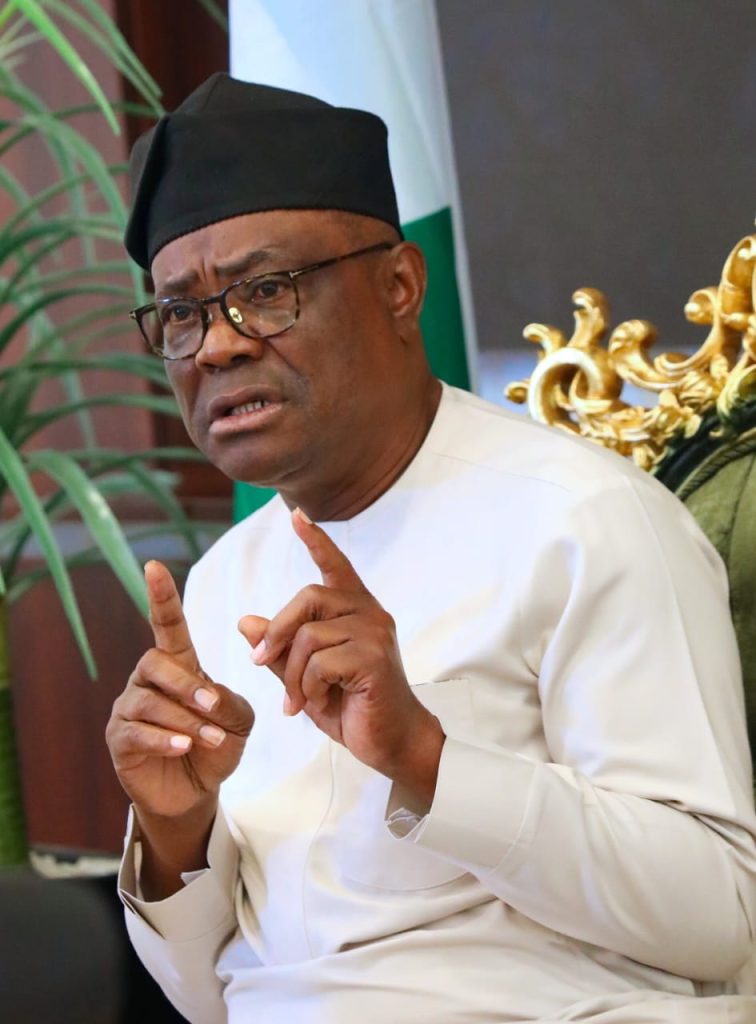
Wike says Tinubu’s reforms may be difficult to sustain without re-election

Federal Capital Territory Minister Nyesom Wike said Bola Tinubu’s economic reforms could be difficult to stabilise if the president fails to win re-election in 2027. Speaking at a Sunday church service in Rumueprikom, Rivers State, Wike called the difficulties following the removal of the petrol subsidy temporary and urged Tinubu to complete the foundations of Nigeria’s economic recovery. He also pointed to greater stability in the university system and progress in addressing pensioners’ entitlements, and called on Christians, Muslims and traditional worshippers to support Tinubu’s re-election bid. Wike announced a donation of 100 million naira to the church on behalf of the Rainbow Coalition, his friends and associates.

Read More
Cameroon’s ex-rebels caught between hiding and broken promises
World / InternationalPoliticsCameroon
Nalova Akua•

Cameroon’s ex-rebels caught between hiding and broken promises

Collins Mbah, a former separatist fighter known as Commander No Sorrow, says he killed several soldiers in Cameroon’s English-speaking Northwest region between 2016 and 2020. Now living in Douala and working as a traditional healer, he refuses to join the government’s disarmament, demobilisation and reintegration programme, saying that doing so would betray the people. The conflict began after 2016 protests against appointments and postings considered unsuitable for courts and schools in the Anglophone regions, and escalated into a separatist campaign for the independence of the Northwest and Southwest. It has killed thousands, displaced hundreds of thousands and disrupted education.

Read More

Stay Updated with NewsBoulevard

Subscribe to our newsletter for the latest news summaries delivered to your inbox