Progress and persistent poverty fifty years after the Soweto uprising

Author: Karabo NgoepePublished on: June 17, 2026Country: South Africa
Society & Lifestyle
Progress and persistent poverty fifty years after the Soweto uprising

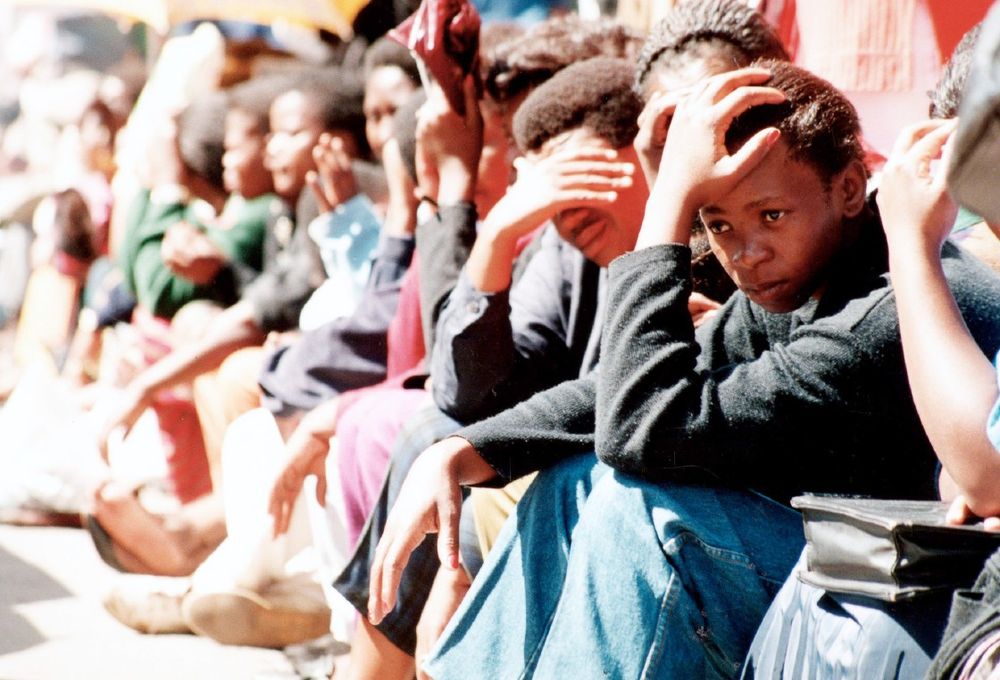
Fifty years after the Soweto uprising, data from Statistics South Africa shows that the youth population (15-34) grew from 14.7 million to 21.6 million between 1996 and 2022. More young people are completing school and have access to basic services, but unemployment remains high and poverty persistent. The 30-34 age group experienced the fastest expansion, growing by nearly 60%, while healthcare access is becoming more constrained and violence continues to claim many lives.

Read original article

iol.co.za

Stay informed with NewsBoulevard

Get the latest news summaries delivered to your inbox

Related News

Human Capital: Why Africa Is Falling Behind and How to Get Back on Track
Business & EconomyHealthNigeria
Tognissè Dahandé•

Human Capital: Why Africa Is Falling Behind and How to Get Back on Track

A World Bank report led by Alaka Holla, Norbert Schady and Joana Silva estimates that human capital accounts for about two-thirds of the per-capita income gap between rich and poor countries. Over 15 years, health, learning or workplace training declined in two-thirds of low- and middle-income countries; in sub-Saharan Africa, school results fell, and adults born in 1996 are on average three centimeters shorter than those born in 1966. The report urges governments to focus on homes, neighborhoods and workplaces, stressing early childhood stimulation, books at home and girls’ education. In northern Nigeria, a program combining cash and asset transfers with health advice for mothers reduced stunting by six percentage points two years after it ended.

Read More

Stay Updated with NewsBoulevard

Subscribe to our newsletter for the latest news summaries delivered to your inbox