Reducing Maternal and Neonatal Deaths: Stakeholders and Partners Seek Appropriate Solutions

Author: Adolphe ANGOUAPublished on: November 4, 2026Country: Côte d’Ivoire
Health
Reducing Maternal and Neonatal Deaths: Stakeholders and Partners Seek Appropriate Solutions
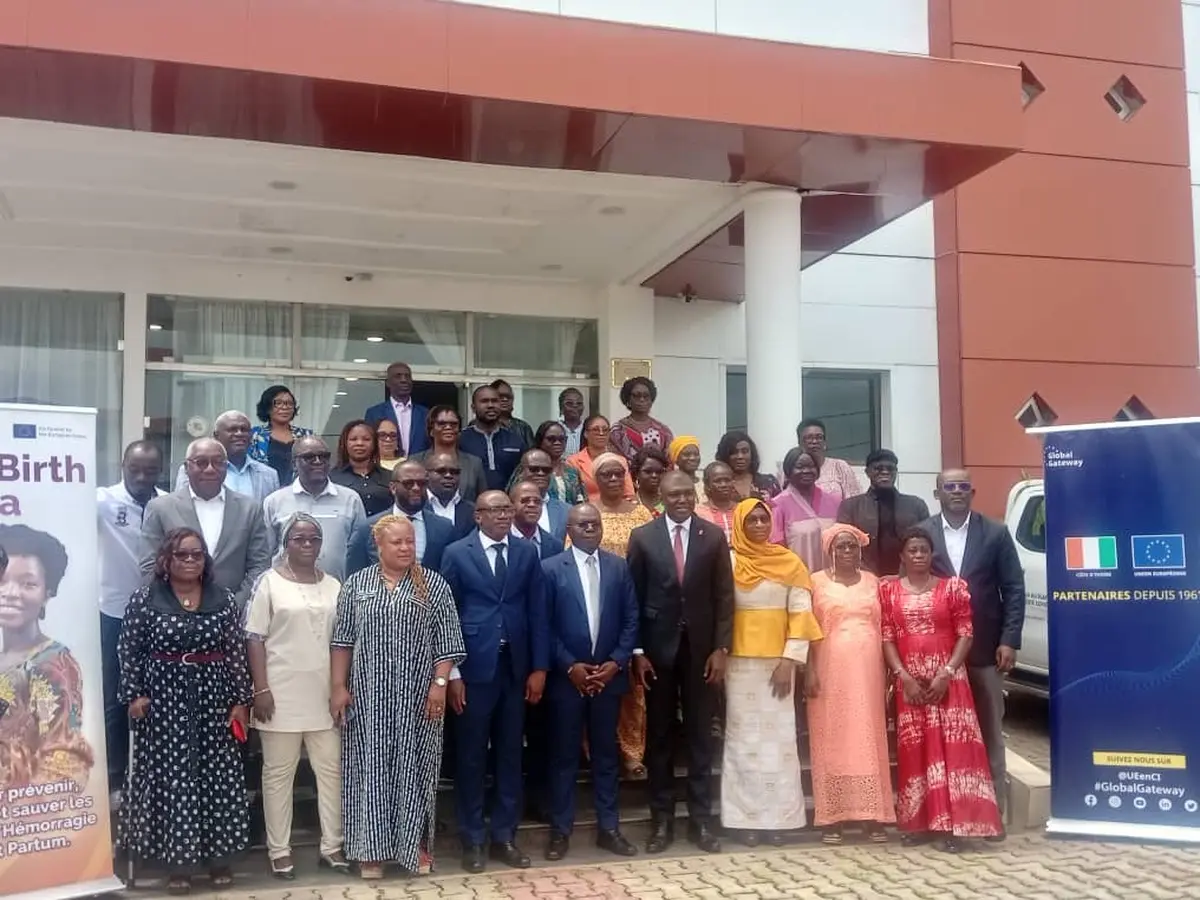
In Yamoussoukro, the Directorate General of Health, with technical and financial support from UNFPA, held the annual coordination meeting for the SafeBirth and Mentorship project. The meeting is part of the second year of SafeBirth Africa (2024–2026), funded by the European Union and initiated by the Ministry of Health in collaboration with UNFPA and Unitaid. In Côte d’Ivoire, immediate postpartum haemorrhage accounted for 51% of reported maternal deaths in 2023, with uterine atony the leading cause of obstetric haemorrhage. Participants reviewed progress in the Gbêkê and Gontougo health regions, identified implementation challenges, and discussed good practices and recommendations to reduce preventable deaths.

Stay informed with NewsBoulevard

Get the latest news summaries delivered to your inbox

Related News

Physical rehabilitation: Togo launches a regional master’s program to train prosthetics and orthotics specialists
HealthTogo
Ayi Renaud Dossavi•

Physical rehabilitation: Togo launches a regional master’s program to train prosthetics and orthotics specialists

Launched in Lomé on November 3, 2026, the Francophone Africa Rehabilitation Education Project (PERAF) plans to establish a five-year master’s program in prosthetics and orthotics sciences. Led by the ICRC with Lomé’s National School of Medical Auxiliaries, the University of Lomé, Human Study and the Ministry of Health, the project aims to strengthen partner institutions in Togo and Mali and train specialist clinicians and teachers. A conference bringing together eight countries runs in Lomé through November 6, with discussions on recognizing the prosthetics and orthotics profession and integrating it into the civil service. The WHO says more than 210 million Africans need rehabilitation services, but at least 63% cannot access the care they need.

Read More

Stay Updated with NewsBoulevard

Subscribe to our newsletter for the latest news summaries delivered to your inbox