Sickle cell disease: How can rapid tests make screening easier?

Author: radiookapi.netPublished on: November 2, 2026Country: Democratic Republic of the Congo
Health
Sickle cell disease: How can rapid tests make screening easier?

Sickle cell disease affects many people, and many do not know their status. While hemoglobin electrophoresis has long been one of the best-known screening tests, rapid diagnostic tests are now another option. On Okapi Service, sickle cell specialist Dr. Christian Muamba Tshibende discusses how these tests work, what they detect, how reliable they are, and whether they can improve access to screening.

Stay informed with NewsBoulevard

Get the latest news summaries delivered to your inbox

Related News

Sexual health: displaced adolescent girls in Kalehe face a lack of information
HealthSociety & LifestyleDemocratic Republic of the Congo
radiookapi.net•

Sexual health: displaced adolescent girls in Kalehe face a lack of information

Adolescent girls living at displacement sites in Kalehe territory, South Kivu, say they have limited access to information about sexual and reproductive health. At the Rambo site in Bunyakiri, 15-year-old Neema says her parents never discuss the subject and she does not know whom to ask. Family taboos and a lack of awareness-raising lead some girls to seek advice from peers or adults who may not have reliable information, leaving them at risk of early pregnancy and sexually transmitted infections. Local parent Jean-Paul Birindwa traces the silence to longstanding cultural customs, while local authorities acknowledge the difficulties.

Read More
Ebola outbreak underscores urgent need to finish pandemic treaty, WHO chief says
HealthWorld / InternationalDemocratic Republic of the Congo
vanguardngr.com•

Ebola outbreak underscores urgent need to finish pandemic treaty, WHO chief says

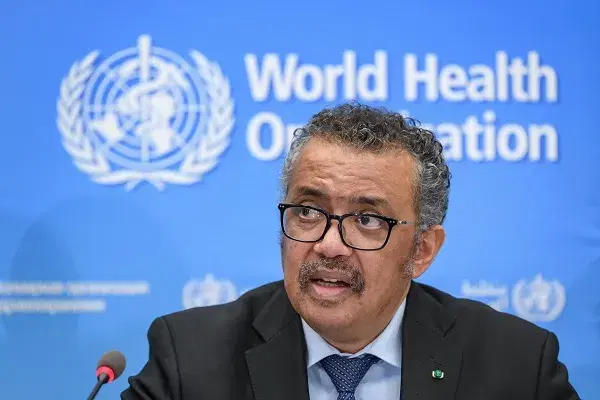
As the ninth meeting to finalise the pandemic treaty opened in Geneva, WHO chief Tedros Adhanom Ghebreyesus urged countries to “finish the job.” He pointed to the ongoing Ebola outbreak in the Democratic Republic of Congo, which has killed nearly 5,000 people among more than 10,000 infected, and a hantavirus outbreak that killed three people. Adopted in May 2025, the agreement leaves unresolved the mechanism for sharing pathogens with pandemic potential and related benefits, including vaccines, tests and treatments. Tedros warned that unequal access to vaccines during the Covid-19 pandemic cost lives and prolonged the crisis.

Read More

Stay Updated with NewsBoulevard

Subscribe to our newsletter for the latest news summaries delivered to your inbox