US Army detonates nearly five tonnes of toxic explosives in Iowa

Author: aljazeera.comPublished on: November 25, 2026Country: United States
Environment & ClimateWorld / International
US Army detonates nearly five tonnes of toxic explosives in Iowa

The US Army carried out a controlled blast of nearly five tonnes of deteriorating lead azide at a military plant in Iowa. The operation went ahead despite concerns that toxic lead particles could spread. Communities, farmland and waterways as far as 160 km from the site could be affected.

Read original article

aljazeera.com

Stay informed with NewsBoulevard

Get the latest news summaries delivered to your inbox

Related News

Illegal Gold Mining: After Guinea, Niger Seeks to Keep Foreigners Out of Djado
Business & EconomyEnvironment & ClimateNiger
Charly Hessoun•

Illegal Gold Mining: After Guinea, Niger Seeks to Keep Foreigners Out of Djado

During a mission to Bilma department on November 21–22, Niger’s Mines Minister Abarchi Ousmane instructed local authorities to prevent foreign nationals from being present at Gidan Daka in the Djado gold-mining area. In Chirfa, he also told the prefect and the departmental mines director to strictly enforce mining rules, as Niger’s press agency reported environmental damage linked to heavy machinery and chemicals. Niger’s mining code prohibits chemical ore processing and explosive blasting without a waiver, but no penalties or figures have yet been announced concerning the instruction. The move follows the suspension of artisanal gold mining in Guinea’s Haute-Guinée, which prompted miners to move to neighboring countries, including Mali and Burkina Faso.

Read More
Climate: Cashew and cassava chosen as test cases to attract private finance in Côte d’Ivoire
Environment & ClimateBusiness & EconomyCôte d’Ivoire
Samuel KADIO•

Climate: Cashew and cassava chosen as test cases to attract private finance in Côte d’Ivoire

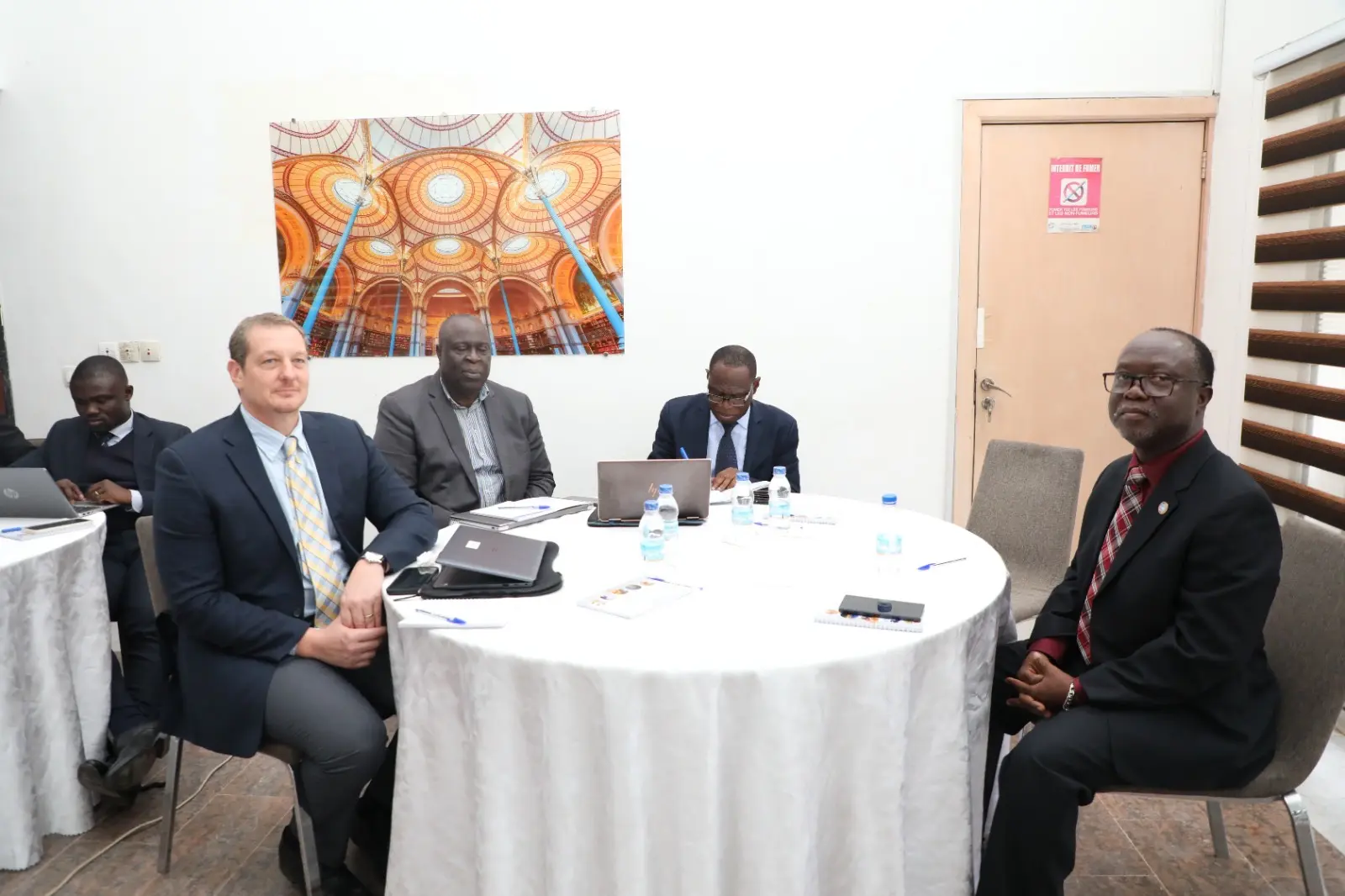
Côte d’Ivoire plans to test financial mechanisms in the cashew and cassava sectors, using public funds to reduce risk and attract private investors to agriculture and forestry. A draft strategy reviewed at a national workshop in Cocody on November 25 proposes a National Resilience Financing Facility involving existing banks, guarantee funds and insurers. The country estimates the cost of its third Nationally Determined Contribution at $58.8 billion, including $31.8 billion for adaptation, while private investors account for just 8% of projects in its investment plan. Cashew production topped 1.5 million tonnes in 2025 before falling to about 1.3 million in 2026 because of climate impacts; cassava production exceeds 7.3 million tonnes a year and supports domestic food security.

Read More

Stay Updated with NewsBoulevard

Subscribe to our newsletter for the latest news summaries delivered to your inbox