Why has the Bank of England cut interest rates?

Author: Faisal IslamPublished on: August 7, 2025Country: United Kingdom
Business & EconomyWorld / International
Why has the Bank of England cut interest rates?
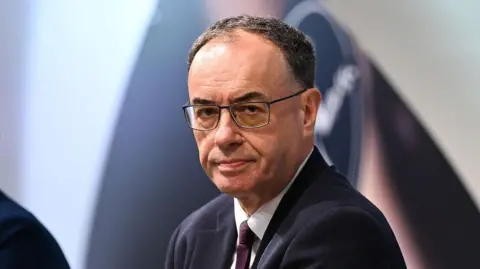
On August 7, 2025, the Bank of England decided to cut its interest rates to 4%, marking the fifth reduction since August 2024. The decision was very close, involving an unprecedented vote with a 5-4 majority, with Governor Andrew Bailey voting for the cut, while Deputy Governor Clare Lombardelli and Chief Economist Huw Pill voted to hold rates. The bank explained this move by a decrease in job vacancies and an increase in unemployment, which should, in the medium term, reduce inflationary pressures in the labor market. Despite inflation remaining high, especially in food prices, the bank predicts modest economic growth of 0.1% in Q2 and 0.3% in Q3, supported by a trade deal with the US. Consumer spending remains subdued due to high savings rates and limited consumer confidence, despite rising wages. This decision comes amid ongoing inflation above the 2% target and persistent risks regarding further rate cuts.

Read original article

bbc.com

Stay informed with NewsBoulevard

Get the latest news summaries delivered to your inbox

Related News

Human Capital: Why Africa Is Falling Behind and How to Get Back on Track
Business & EconomyHealthNigeria
Tognissè Dahandé•

Human Capital: Why Africa Is Falling Behind and How to Get Back on Track

A World Bank report led by Alaka Holla, Norbert Schady and Joana Silva estimates that human capital accounts for about two-thirds of the per-capita income gap between rich and poor countries. Over 15 years, health, learning or workplace training declined in two-thirds of low- and middle-income countries; in sub-Saharan Africa, school results fell, and adults born in 1996 are on average three centimeters shorter than those born in 1966. The report urges governments to focus on homes, neighborhoods and workplaces, stressing early childhood stimulation, books at home and girls’ education. In northern Nigeria, a program combining cash and asset transfers with health advice for mothers reduced stunting by six percentage points two years after it ended.

Read More

Stay Updated with NewsBoulevard

Subscribe to our newsletter for the latest news summaries delivered to your inbox