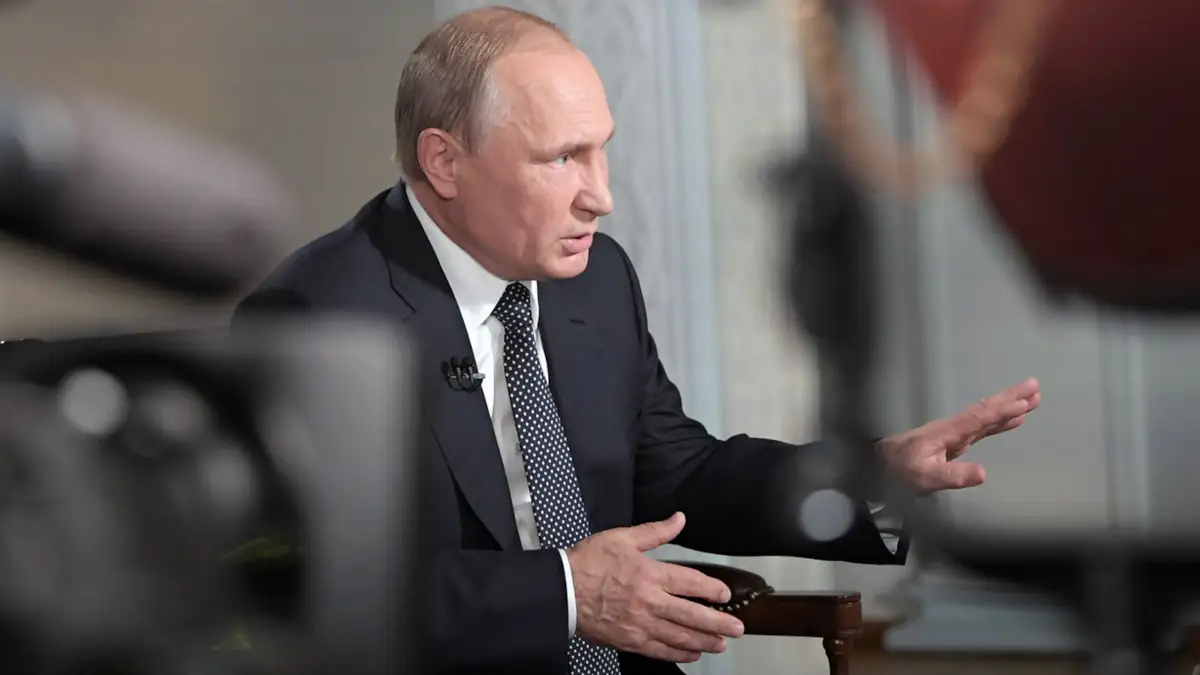
Why Trump-Putin talks unlikely to bring rapid end to Ukraine war
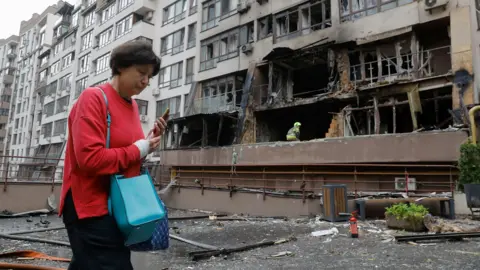
The Ukraine war, initiated by Russia's full-scale invasion in February 2022, continues without signs of easing. Russia is advancing in eastern Ukraine with deadly nightly airstrikes and regular attacks on energy infrastructure. A future meeting between Donald Trump and Vladimir Putin is planned, but three rounds of talks held at Trump's request between May and July failed to bring the sides closer to peace. Russia's maximalist demands include recognition of sovereignty over Crimea, Donetsk, Luhansk, Zaporizhzhia, and Kherson, as well as Ukraine's demilitarization, neutrality, no foreign military involvement, and new elections. Despite the planned meeting, Moscow remains firm on its conditions, making a ceasefire unlikely in the near future. Trump's involvement may be aimed at influencing Russia or avoiding imminent US sanctions, but Moscow is unlikely to concede on its demands. The situation is complicated by Trump's history with Putin, including his 2018 Helsinki summit, where he appeared to side with Russia over election interference accusations. Ukraine fears that a Trump-Putin meeting could lead to territorial concessions, complicating diplomacy. The war continues with significant human and infrastructural losses, and a resolution remains distant.
Read original article
bbc.comStay informed with NewsBoulevard
Get the latest news summaries delivered to your inbox