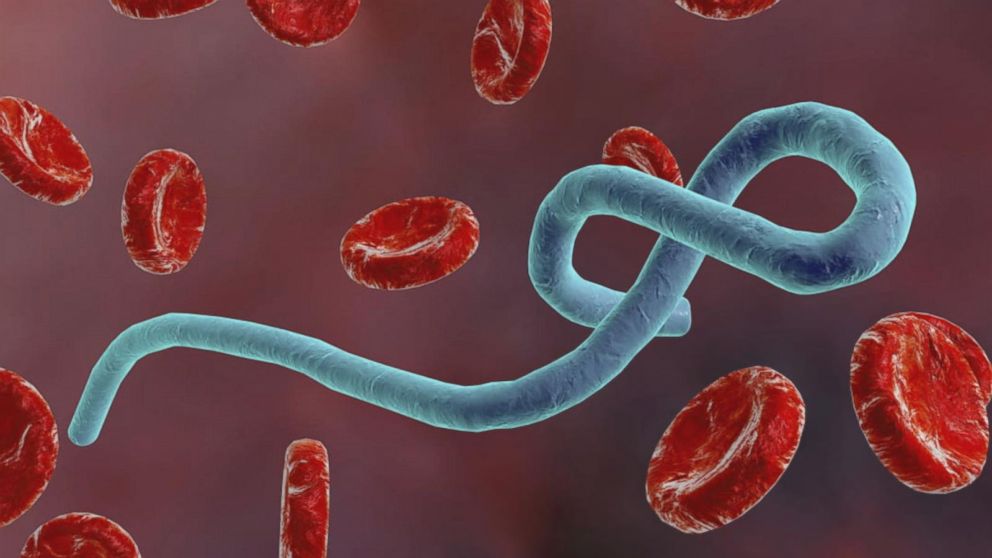
Ebola Virus: 7 Things to Know About Causes, Symptoms and Prevention
Author: vanguardngr.comPublished on: October 20, 2026Country: Not specified
Health

Ebola virus disease can be fatal and spreads mainly through direct contact with the blood or other bodily fluids of a symptomatic person, as well as through contaminated objects. Symptoms usually appear two to 21 days after exposure and include high fever, weakness, headache, pain, vomiting and diarrhoea; some patients develop bleeding and organ complications. Fruit bats may be natural hosts, though this has not been definitively confirmed, and infected wild animals can transmit the virus to humans. Medical assessment and laboratory tests are needed for diagnosis, while early diagnosis and appropriate care can improve the chances of survival.
Stay informed with NewsBoulevard
Get the latest news summaries delivered to your inbox