NASA’s quiet supersonic X-59 flies from Alabama to Florida

Author: Francis NoudePublished on: November 6, 2026Country: United States
ScienceTechnology
NASA’s quiet supersonic X-59 flies from Alabama to Florida

NASA announced on November 5 that its experimental X-59 aircraft had flown from Birmingham, Alabama, to Daytona Beach, Florida. Built by Lockheed Martin for NASA’s Quesst mission, the aircraft made its first flight in October 2025 and is designed to produce a subdued thump instead of a sonic boom. The mission will gather data on how communities perceive the quieter sound to inform regulators about supersonic flights over land. NASA also said it is preparing to present the X-59 at MAX POWER and will share more information soon.

Stay informed with NewsBoulevard

Get the latest news summaries delivered to your inbox
Related News

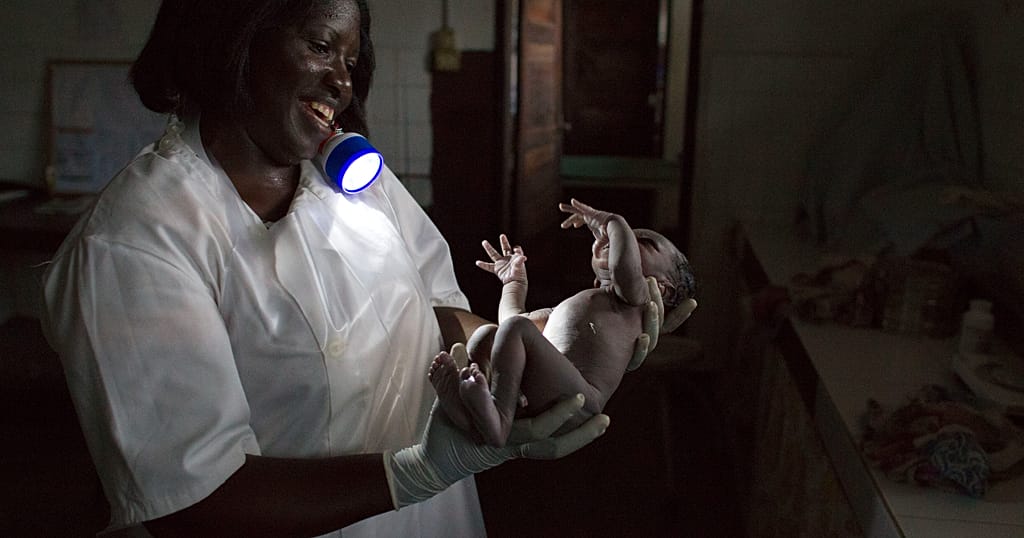
Guinea-Bissau abandons dangerous clinical trial for infants
HealthScienceGuinea-Bissau
AfricaNews•

Guinea-Bissau abandons dangerous clinical trial for infants

Guinea-Bissau has abandoned a controversial hepatitis B vaccine trial that planned to follow 14,000 newborns, with half vaccinated at birth and the other half at six weeks. The WHO warned that delaying vaccination could expose infants to chronic infections, cirrhosis and liver cancer, and noted that vaccination within 24 hours of birth has been recommended for decades. The project, led by a Danish team and funded by the United States, prompted six members of the University of Southern Denmark’s ethics committee to resign after it approved the study on September 30. Guinea-Bissau’s government has banned vaccine trials involving children, and police seized a stock of vaccines at the research center at the heart of the dispute.

Read More
Ebola in DR Congo: two new vaccines to be tested amid deadly outbreak
HealthScienceDemocratic Republic of the Congo
radiookapi.net•

Ebola in DR Congo: two new vaccines to be tested amid deadly outbreak

The Ebola outbreak that began in DR Congo in May had caused 5,126 deaths among 10,532 confirmed cases by November 1, according to health authorities, and had spread to eight provinces, mainly in the east. On November 4, the WHO announced that two vaccine candidates targeting the Bundibugyo strain could join a clinical trial already underway, subject to approval by Congolese health authorities. They are ChAdOx1, developed by the University of Oxford with the Serum Institute of India, and Moderna’s mRNA-1469. No vaccine has yet demonstrated effectiveness in humans against this strain, and WHO Director-General Tedros Adhanom Ghebreyesus said vaccination alone would not end the outbreak.

Read More

Stay Updated with NewsBoulevard

Subscribe to our newsletter for the latest news summaries delivered to your inbox