Portugal raises citizenship wait to 10 years for Nigerians, Indians and Pakistanis

Author: Nkiruka NnoromPublished on: November 3, 2026Country: Portugal
World / International

Portugal raises citizenship wait to 10 years for Nigerians, Indians and Pakistanis

Portugal has raised the required residency period for citizenship from five to 10 years for nationals of Nigeria, India, Pakistan, Nepal, Bangladesh and other non-EU, non-Portuguese-speaking countries. EU citizens and nationals of Portuguese-speaking countries can apply after seven years, and time spent waiting for a residence permit will no longer count toward the qualifying period. The law took effect on May 19, 2026, amid a backlog of 690,480 citizenship applications as of June 30. Applications filed before May 19 will still be assessed under the former five-year rule.

Stay informed with NewsBoulevard

Get the latest news summaries delivered to your inbox
Related News

Jean-Luc Mélenchon Says China Is “Far More Reliable” Than the United States as a Partner
PoliticsWorld / InternationalFrance
Francis Noude•

Jean-Luc Mélenchon Says China Is “Far More Reliable” Than the United States as a Partner

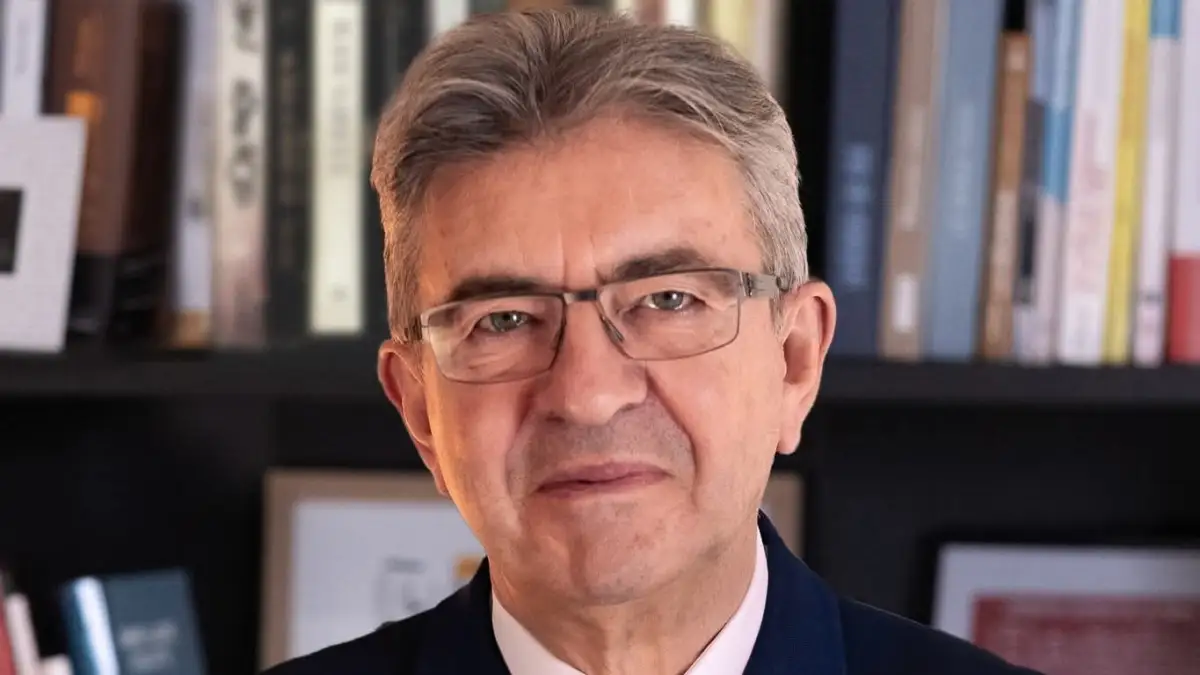
On November 3, 2026, Jean-Luc Mélenchon wrote on X that China was a “far more reliable” partner than the United States, saying Beijing wanted Europeans to take part in negotiations on the war in Ukraine. He accused French “Atlanticists” and opponents of China of showing allegiance to Washington. Mélenchon advocates a non-aligned foreign policy and has proposed leaving NATO’s integrated command as part of his 2027 platform. German President Frank-Walter Steinmeier, however, said he—not Washington—had raised the idea of a summit involving China, the United States, and Russia with Xi Jinping, who reportedly expressed surprise and said the conflict was a European matter.

Read More
Facing New Wars, NATO Wants to Accelerate the Transformation of Its Military Capabilities
World / InternationalTechnologyBelgium
Cédric Amoussou•

Facing New Wars, NATO Wants to Accelerate the Transformation of Its Military Capabilities

As conflicts evolve, particularly with the growing use of drones and electronic jamming seen in the war in Ukraine, NATO wants to accelerate the integration of new military technologies. French Admiral Pierre Vandier, NATO’s Supreme Allied Commander Transformation, is calling for faster force adaptation, military robotization, and stronger defenses against drones. The Alliance also aims to improve information-sharing through artificial intelligence and digital tools, and reorganize its forces to deploy troops more quickly in a crisis. Its strategic concept, adopted in Madrid in 2022, sets out three core missions and identifies Russia as the most significant and direct threat to Allied security.

Read More

Stay Updated with NewsBoulevard

Subscribe to our newsletter for the latest news summaries delivered to your inbox