Indian Police Tighten Security in New Delhi Ahead of Cockroach Party Rally

Author: Al Jazeera StaffPublished on: October 16, 2026Country: India
PoliticsWorld / International
Indian Police Tighten Security in New Delhi Ahead of Cockroach Party Rally

Police deployed thousands of additional officers in New Delhi ahead of a Cockroach Janta Party (CJP) rally scheduled for 5pm on Friday at Central Park. The youth-led movement is demanding the election chief’s resignation and protesting the jailing of two activists, who received five-day sentences for allegedly trespassing at a protest site. Authorities closed the park for “administrative reasons” and erected barricades at key intersections. CJP founder Abhijeet Dipke denounced the restrictions and police crackdown, saying he and his supporters were ready to go to jail.

Stay informed with NewsBoulevard

Get the latest news summaries delivered to your inbox
Related News

CETA faces scrutiny over R29m in failed projects and R956m in irregular expenditure
Business & EconomyPoliticsSouth Africa
iol.co.za•

CETA faces scrutiny over R29m in failed projects and R956m in irregular expenditure

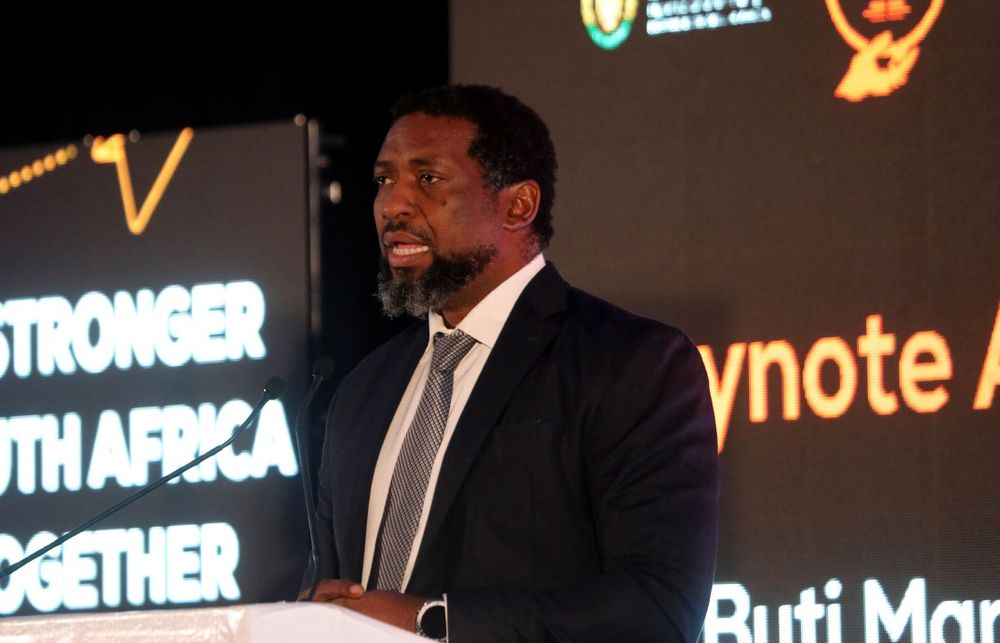
South Africa’s Construction Education and Training Authority (CETA) is under scrutiny after nearly R29 million was paid to two projects that failed to deliver their intended benefits. Higher Education and Training Minister Buti Manamela told Parliament’s portfolio committee that R15.75 million went to an artisan-development project and R13.26 million to a biometric attendance and stipend-payment system that was never fully operationalised. CETA’s accumulated irregular, fruitless and wasteful expenditure is approaching R956 million, and both CETA and Services SETA received qualified audit opinions for 2025/26. Under administration since August 2025, the institutions are expected to account for their performance and address weaknesses identified by the Auditor-General.

Read More
How UN Chief Antonio Guterres Tests the Limits of Quiet Diplomacy
World / InternationalPoliticsEast Timor
Niko Vorobyov•

How UN Chief Antonio Guterres Tests the Limits of Quiet Diplomacy

In 1999, then-Portuguese Prime Minister Antonio Guterres called US President Bill Clinton to seek international support amid violence in East Timor, where pro-Indonesian militias were destroying the territory after its independence vote. Guterres warned that Portugal might reconsider its Balkan deployments if the international community failed to intervene, forcing Washington to weigh relations with a NATO ally against using its influence on Indonesia. The next day, the White House said Indonesia “must” allow international assistance. East Timor became independent in 2002, and the crisis offered an early test of the multilateral diplomacy Guterres later brought to his role as UN secretary-general.

Read More

Stay Updated with NewsBoulevard

Subscribe to our newsletter for the latest news summaries delivered to your inbox