2027 Budget: Finance Committee Rejects Proposals from Several Institutions

Author: senenews.comPublished on: November 8, 2026Country: Senegal
PoliticsBusiness & Economy
2027 Budget: Finance Committee Rejects Proposals from Several Institutions

On November 7, Senegal’s National Assembly Finance and Budgetary Control Committee rejected all the 2027 budget proposals it examined, including those concerning revenue, public debt and six state institutions. Chaired by Alphonse Mané Sambou and attended by Finance Minister Cheikh Diba, the committee rejected the budgets for the Presidency, the Prime Minister’s Office, the National Assembly, the Constitutional Council, the Supreme Court and the Court of Accounts, which together represented more than 296 billion CFA francs. Lawmakers cited inconsistencies in some figures, doubts about the reliability of budget forecasts and missing documents they considered essential. The proposal allocated 223.86 billion CFA francs to the Presidency and 32.37 billion to the Prime Minister’s Office, while the National Assembly’s allocation was set to fall to 21.11 billion.

Stay informed with NewsBoulevard

Get the latest news summaries delivered to your inbox
Related News

DRC elections: SYMOCEL warns that financial delays and political and security uncertainties threaten the 2028 deadline
PoliticsDemocratic Republic of the Congo
actualite.cd•

DRC elections: SYMOCEL warns that financial delays and political and security uncertainties threaten the 2028 deadline

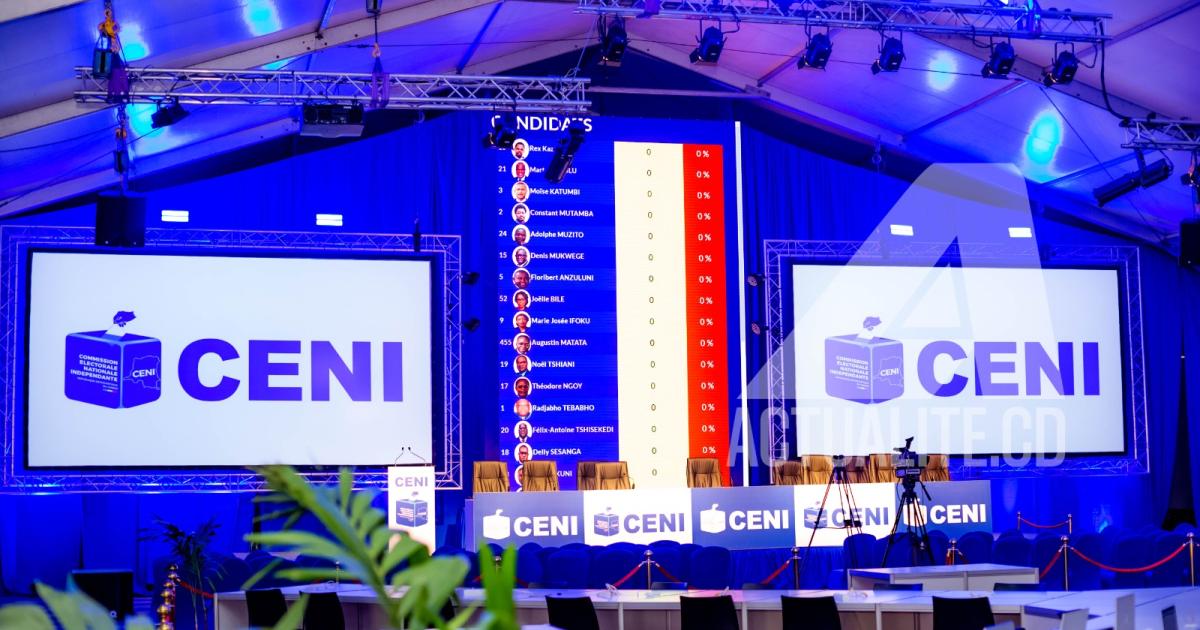
SYMOCEL warns that the Democratic Republic of the Congo’s constitutionally mandated 2028 elections face risks from operational and financial delays and political uncertainty. Its report on the CENI’s 2025–2029 roadmap says several preparatory activities have missed their deadlines, while voter identification and registration remain crucial. Funding shortages, security challenges and the lack of a sufficiently documented catch-up plan are narrowing the available margin, although the delays are not yet irreversible. SYMOCEL recalls that missed deadlines in 2016–2018 fueled a crisis of confidence and effectively prolonged the political transition, while cautioning that the same outcome is not inevitable.

Read More

Stay Updated with NewsBoulevard

Subscribe to our newsletter for the latest news summaries delivered to your inbox