What is ranked-choice voting and how does it work in US elections?

Author: Al Jazeera StaffPublished on: October 31, 2026Country: United States
Politics
What is ranked-choice voting and how does it work in US elections?

Ahead of the November 3 US midterm elections, ranked-choice voting could affect closely watched contests, including the Alaska Senate race. Voters rank candidates by preference, and if no candidate wins a majority of first-choice votes, ballots can transfer to voters’ next picks. Alaska and Maine use the system statewide, while cities such as New York have adopted it as well. Supporters say it reduces strategic voting and the spoiler effect, while critics argue that ballots and vote-counting are more complicated.

Stay informed with NewsBoulevard

Get the latest news summaries delivered to your inbox

Related News

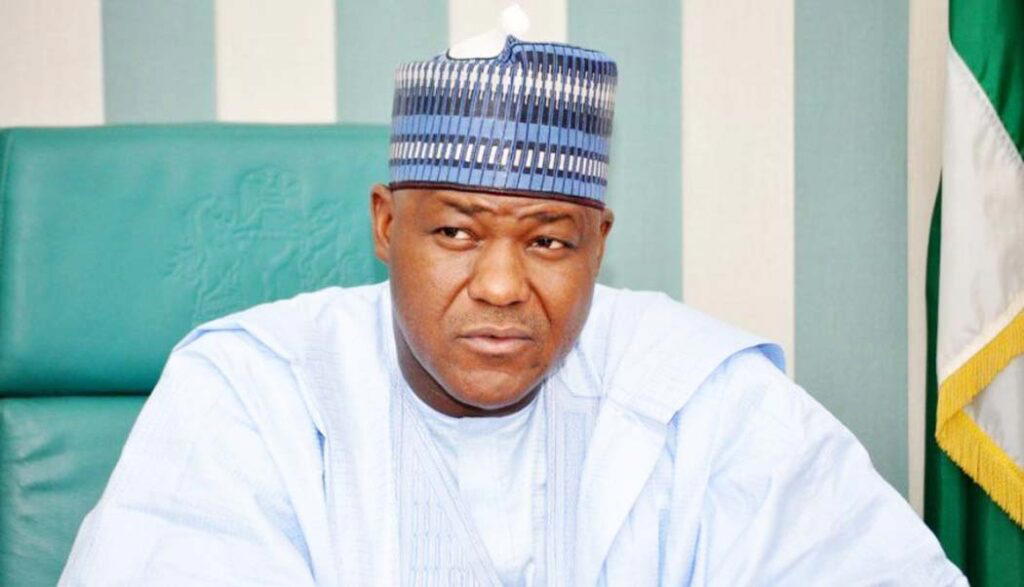
Insecurity Didn’t Begin Under Tinubu’s Administration, Dogara Says
PoliticsSociety & LifestyleNigeria
vanguardngr.com•

Insecurity Didn’t Begin Under Tinubu’s Administration, Dogara Says

Yakubu Dogara, former Speaker of Nigeria’s House of Representatives and Chancellor of Achievers University, said terrorism, insurgency, banditry, kidnappings and communal violence predated Bola Tinubu’s arrival in office in May 2023. Speaking at the university’s 16th convocation, where 836 graduates received qualifications, he linked insecurity to years of porous borders, illegal arms proliferation, youth unemployment and extremist ideologies. Pro-Chancellor Bode Ayorinde welcomed the expansion of higher education but raised concerns about graduates’ job prospects. Vice-Chancellor Omolola Irinoye said 98 students earned First Class degrees and outlined the university’s tuition scholarship programmes.

Read More
2026 Amended Finance Bill Rejected by Committee: Cheikh Diba Warns of Risks to State Treasury
PoliticsBusiness & EconomySenegal
senenews.com•

2026 Amended Finance Bill Rejected by Committee: Cheikh Diba Warns of Risks to State Treasury

The parliamentary committee rejected the 2026 amended finance bill despite explanations from Cheikh Diba’s Ministry of Economy, Finance and Planning. The ministry says it addressed the Pastef parliamentary group’s concerns, including energy subsidies, family security grants and priority spending, but that no amendments or counterproposals were submitted. It warns that the rejection, amid limited budget flexibility, difficulty accessing financial markets and ongoing negotiations with the IMF, could delay funding and increase pressure on the state treasury. The ministry says the uncertainty could undermine priority spending and the resumption of investment.

Read More

Stay Updated with NewsBoulevard

Subscribe to our newsletter for the latest news summaries delivered to your inbox