Why are wealthy countries failing developing nations?

Author: aljazeera.comPublished on: November 5, 2026Country: Global
Environment & ClimateWorld / International
Why are wealthy countries failing developing nations?

A United Nations Environment Programme report warns that climate adaptation is not keeping pace with the growing human and economic costs of the climate crisis. It singles out wealthy countries, responsible for most carbon emissions, for failing to meet their financial pledges. Although billions of dollars have been earmarked at successive COP meetings to help developing nations build resilience, only a fraction has been paid out. Presenter Imran Khan examines the consequences with Sandrine Dixson-Decleve, Avantika Goswami and Danny Sriskandarajah.

Stay informed with NewsBoulevard

Get the latest news summaries delivered to your inbox

Related News

Félix Tshisekedi in Brazzaville for mini-summit on forest preservation
Environment & ClimatePoliticsRepublic of the Congo
actualite.cd•

Félix Tshisekedi in Brazzaville for mini-summit on forest preservation

Félix-Antoine Tshisekedi arrived in Brazzaville on November 5, 2026, at the invitation of Denis Sassou Nguesso, to attend an environmental mini-summit the next day, alongside the 40th National Tree Day. The meeting coincides with the launch of the UN Decade on Afforestation and Reforestation; Burundi’s president, Évariste Ndayishimiye, and Central African Republic President Faustin-Archange Touadéra are also expected. Tshisekedi is due to take part in a tree-planting ceremony at PK45 and address a forum on protecting and sustainably developing forest resources. The visit comes ahead of COP31 in Turkey and follows the National Climate Week held in Kinshasa.

Read More
Lead Contamination Prevention: CASE Organizes Awareness and Heart Screening Campaign
HealthEnvironment & ClimateCôte d’Ivoire
Elvis GOUZA•

Lead Contamination Prevention: CASE Organizes Awareness and Heart Screening Campaign

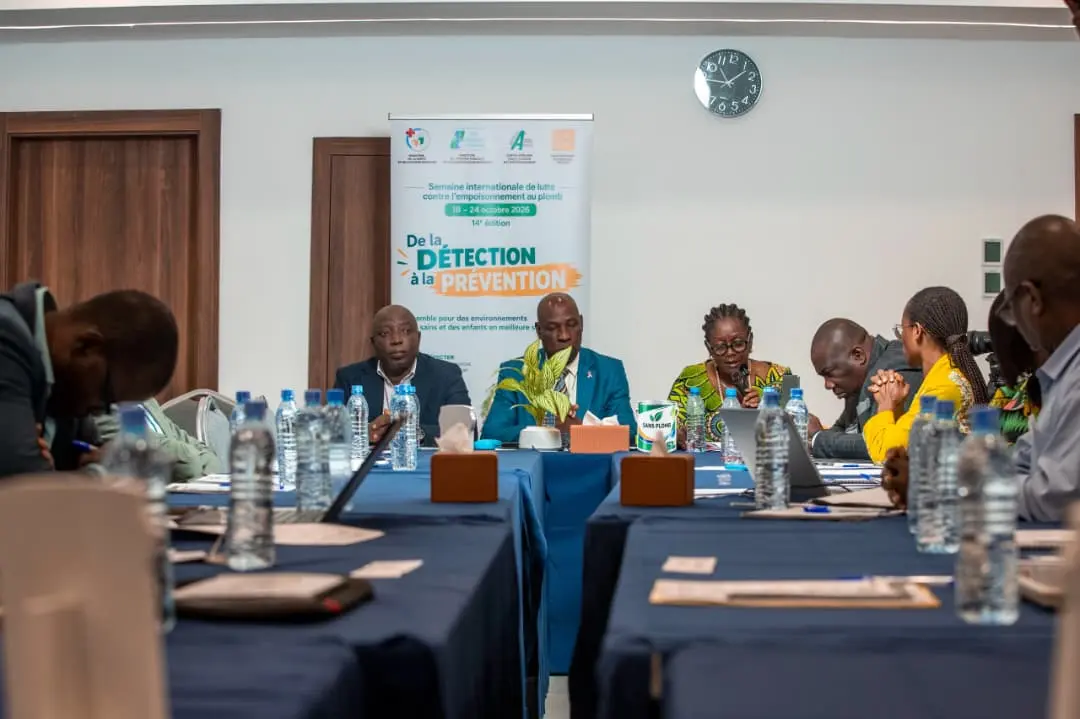
From October 18 to 24, 2026, the Centre Africain pour la Santé Environnementale (CASE), in partnership with the NGO LEEP, ran media awareness activities and school-based screening as part of an international campaign against lead poisoning. Organizers said one child in three worldwide has elevated blood lead levels; tests in Abidjan through 2025 found lead contamination in one in three homes tested and concentrations above 90 ppm in two of every five paint samples. CASE’s 2026 tests found lower concentrations in 21 of 74 paint samples, although some paints still exceeded the 90 ppm threshold set by ECOWAS. CASE urged authorities to sign an order limiting lead in paint and warned that deteriorating or renovated paintwork can contaminate homes.

Read More

Stay Updated with NewsBoulevard

Subscribe to our newsletter for the latest news summaries delivered to your inbox